Testing Circuit Continuity
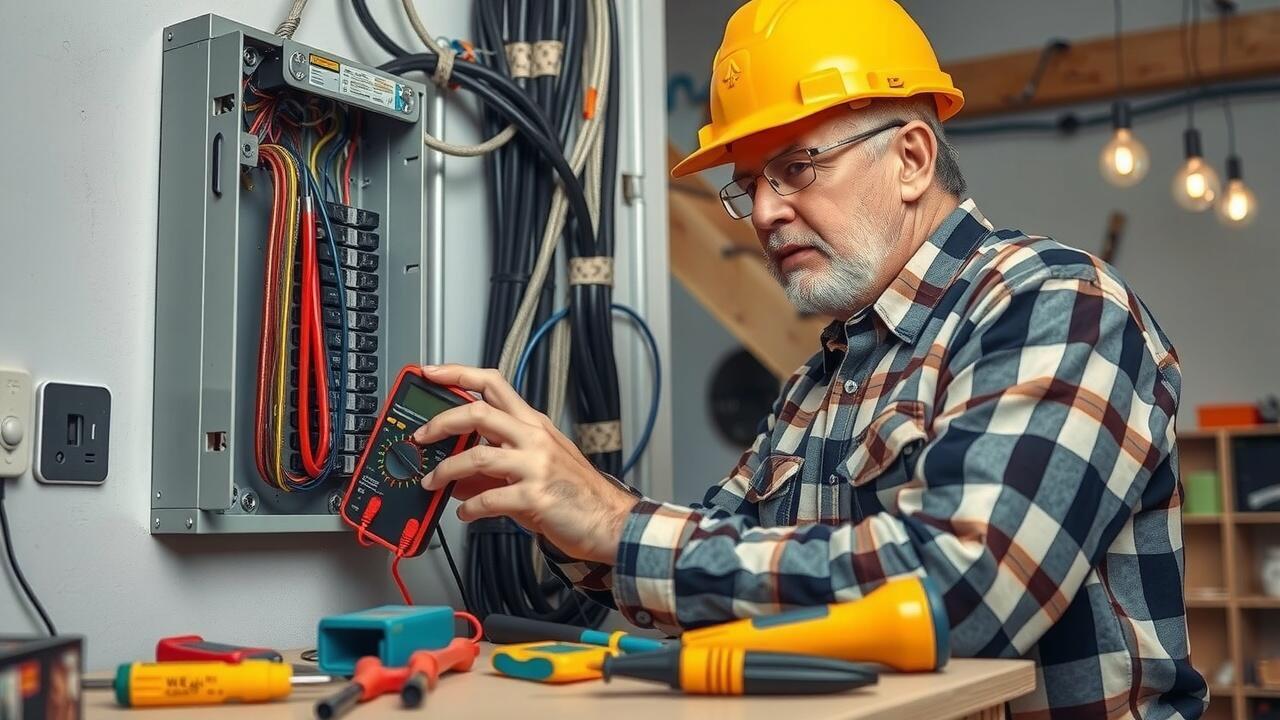
Testing circuit continuity is a fundamental step in the process of electrical troubleshooting. It helps verify whether electrical components are properly connected and functioning as intended. A multimeter is often used for this purpose, allowing technicians to check for breaks in wiring or faulty connections. If there is no continuity, it indicates that the circuit may be open due to a damaged wire, bad solder joint, or a malfunctioning component.
In Hillcrest, Texas, performing continuity tests can help identify the root cause of electrical issues quickly. By following proper procedures, technicians can ensure that they accurately assess the functionality of circuits. This process saves time and reduces the risk of overlooking critical faults that could lead to larger problems down the line. Understanding how to check continuity effectively can enhance the troubleshooting experience, making it a vital skill for electricians and DIY enthusiasts alike.
How to Use a Multimeter
A multimeter is a versatile tool essential for electrical troubleshooting in Hillcrest, Texas. To use it effectively, start by selecting the appropriate function for the task. For basic testing, set the multimeter to measure voltage, current, or resistance, depending on what you need to assess. If measuring AC voltage in a live circuit, ensure the probes are properly connected. For resistance testing, disconnect power from the circuit to avoid damage and ensure accurate readings.
Once the multimeter is configured, touch the probes to the respective terminals of the component or circuit you are testing. A reading will appear on the display, indicating the voltage, current, or resistance present. Comparing these readings against expected values will help identify any irregularities, guiding your troubleshooting process. With practice, using a multimeter becomes an invaluable skill in diagnosing electrical issues effectively.
Analyzing Circuit Breaker Issues
Circuit breakers play a crucial role in protecting electrical systems from overloads and short circuits. When they trip frequently, it indicates an underlying issue that requires investigation. Common problems include worn-out breakers, overloaded circuits, or faulty wiring. Keeping a detailed log of when and why breakers trip can aid in identifying patterns that help pinpoint the cause.
During electrical troubleshooting in Hillcrest, Texas, it’s essential to examine both the circuit breaker panel and the circuits it protects. Inspecting for signs of wear, damage, or corrosion can reveal potential issues. If the breaker itself shows signs of failure, replacing it may be necessary. Additionally, checking for proper load distribution within circuits can prevent future trips and enhance overall electrical safety.
Diagnosing Tripped Breakers
Tripped circuit breakers can indicate various electrical issues, and diagnosing them requires careful examination. Begin by ensuring that the breaker is reset properly. If the breaker trips again immediately after being reset, it may be a signal of an overloaded circuit or a short circuit. Inspect the appliances or devices connected to that circuit. Identifying any faulty equipment can assist in narrowing down the cause of the problem.
For effective electrical troubleshooting in Hillcrest, Texas, it’s essential to analyze the circuit load. Consider what devices are on the same circuit and if they collectively exceed the breaker’s amperage rating. If you suspect a short circuit, visually inspect the wires for damage or insulation wear. This proactive approach can prevent further electrical hazards and ensure a safer environment.
Utilizing Thermal Imaging
Thermal imaging has become an invaluable tool for electricians and maintenance professionals in identifying electrical faults. By detecting heat patterns, thermal cameras can pinpoint areas of excess heat that indicate potential issues such as overloaded circuits or faulty components. This non-invasive technology allows for a rapid assessment of systems, making it particularly useful in environments where downtime must be minimized.
In areas like Hillcrest, Texas, where weather conditions can strain electrical systems, utilizing thermal imaging offers an efficient way to perform preventative maintenance. The ability to detect heat anomalies before they escalate into significant problems enhances the safety and reliability of electrical installations. Moreover, thermal cameras can help document findings for future reference, ensuring that maintenance teams can track potential reoccurring issues effectively.
Benefits of Thermal Cameras
Thermal cameras offer significant advantages for identifying issues within electrical systems. They can detect temperature variations that are often indicative of faulty components, connections, or overloads. By visualizing heat, technicians can pinpoint problem areas without needing to dismantle equipment or disrupt the electrical circuit. This capability saves time and reduces the risk of further damage to systems during inspection.
For those engaged in electrical troubleshooting in Hillcrest, Texas, using thermal imaging can be particularly beneficial. The ability to quickly assess the condition of electrical panels, transformers, and wiring helps ensure that repairs are made before problems escalate. This proactive approach can enhance safety and improve system reliability, making thermal cameras a valuable tool in electrical maintenance and diagnostics.
FAQS
What tools are essential for finding electrical faults?
Essential tools for finding electrical faults include a multimeter, circuit tester, thermal camera, and possibly a clamp meter for measuring current.
How do I check for circuit continuity?
To check for circuit continuity, use a multimeter. Set it to the continuity setting, connect the probes to the circuit points you want to test, and listen for a beep or look for a reading on the display, which indicates continuity.
What should I do if a circuit breaker keeps tripping?
If a circuit breaker keeps tripping, first unplug any devices connected to the circuit. Then, reset the breaker. If it trips again, there may be an overload, a short circuit, or a faulty breaker that needs further investigation.
Why is thermal imaging useful for finding electrical faults?
Thermal imaging is useful for finding electrical faults because it allows you to visualize temperature differences in electrical components, helping to identify hot spots that may indicate issues like overloads or failing connections.
Can I diagnose electrical faults without professional help?
While some basic electrical faults can be diagnosed without professional help using the right tools and knowledge, it is always recommended to consult a licensed electrician for complex issues or if you are unsure of the safety precautions to take.