Tools Needed for Home Electrical Projects
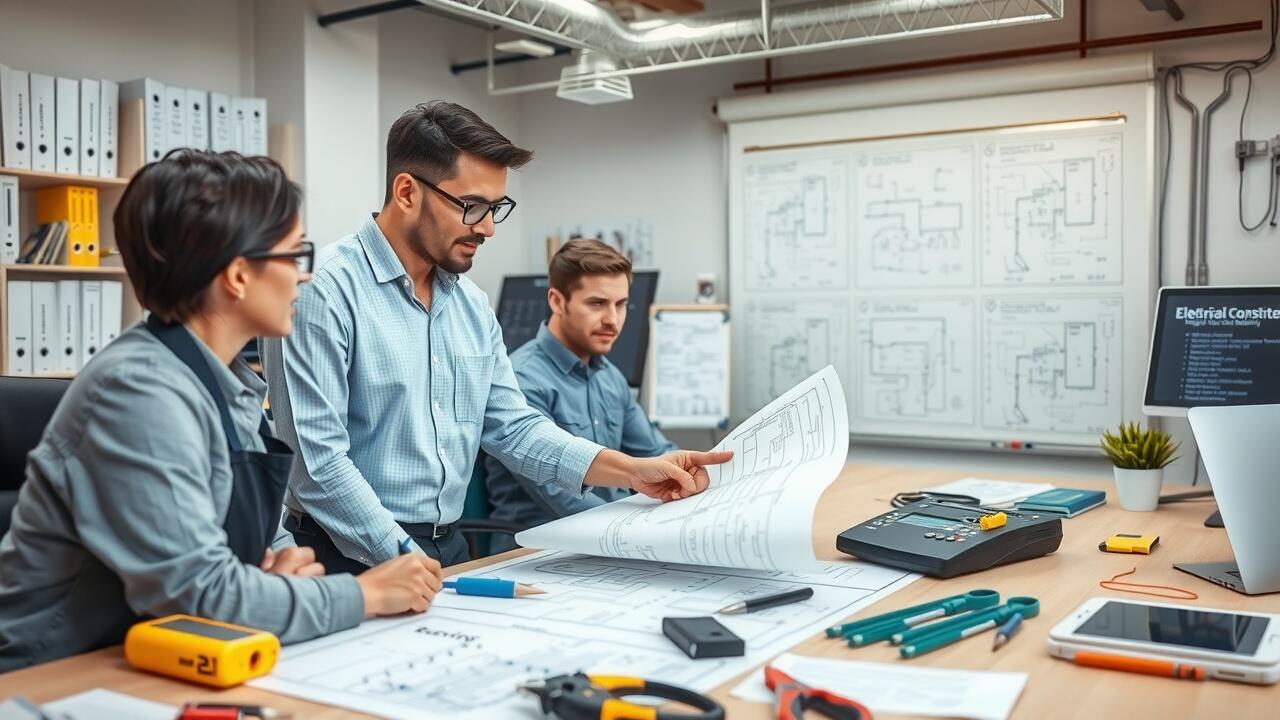
When tackling home electrical projects, having the right tools is essential for both safety and efficiency. Basic tools include a screwdriver set, wire strippers, pliers, and a voltage tester. A multimeter is important for measuring electrical current, voltage, and resistance. Additionally, a sturdy ladder is necessary for reaching high areas, while a flashlight ensures visibility in dim spaces. Gathering these tools before starting any work can lead to a more organized and productive project.
For specific tasks, specialized equipment may be required. Circuit testers are helpful for checking wiring integrity and ensuring circuits are functioning properly. Safety gear, such as insulated gloves and goggles, protects against potential hazards. Homeowners should also consider consulting professionals for complex jobs, as an “Electrical Consultation in Galveston, Texas” can provide valuable insights and guidance. Proper preparation and the right tools make a significant difference in the quality of electrical work.
Essential Equipment for Safe Installation
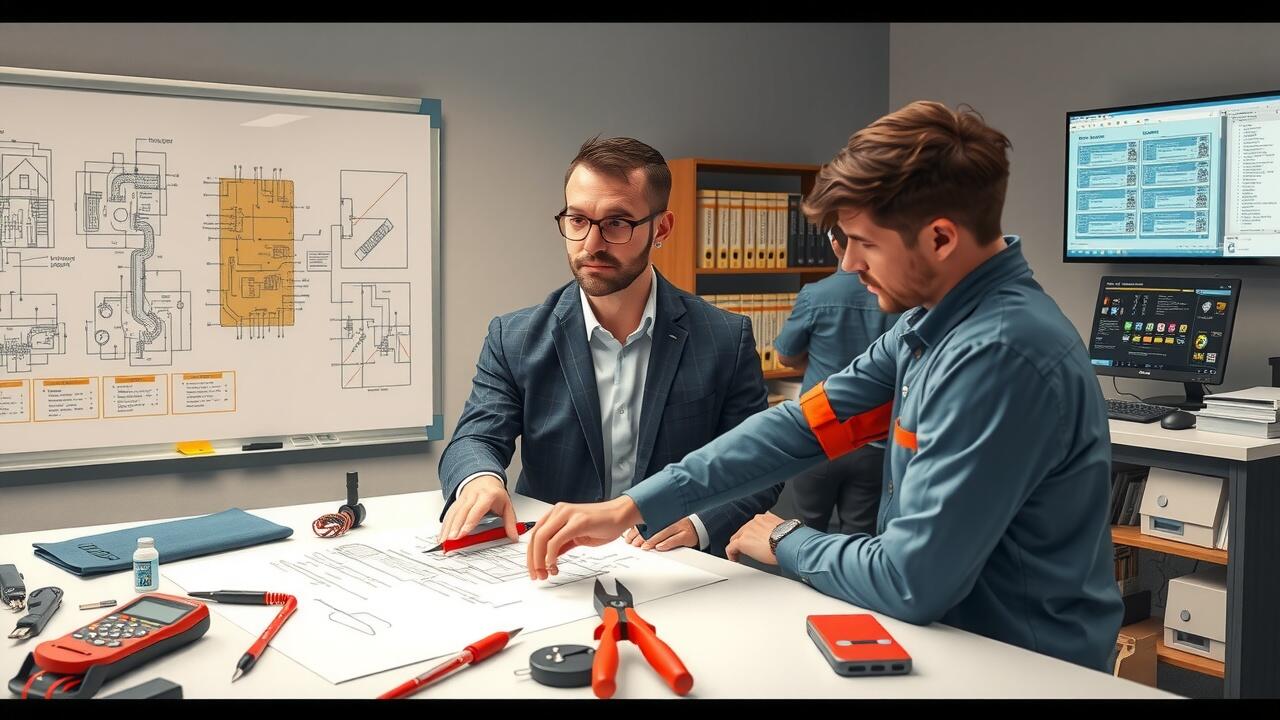
When undertaking electrical projects, having the right equipment is crucial for safety and efficiency. A quality multimeter is essential for measuring voltage, current, and resistance, helping to troubleshoot issues before they escalate. Wire strippers, pliers, and electrical tape are also necessary for handling wiring and connections safely. In addition, a circuit tester will help confirm that power is off before beginning any work, minimizing the risk of electric shock. If unsure about any aspect of the job, it’s wise to seek professional help, such as an electrical consultation in Galveston, Texas.
Safety gear should not be overlooked when planning your electrical work. Wearing rubber-soled shoes and insulated gloves provides an extra layer of protection against electric shock. A hard hat may be useful if working in overhead spaces where tools or materials could fall. Proper lighting is also important to ensure a clear view of the workspace, reducing the risk of accidents. By equipping yourself with the right tools and safety gear, you will create a more secure environment while working on electrical installations.
Resources for Learning About Electrical Work
Homeowners interested in tackling their own electrical projects can find a wealth of resources to enhance their knowledge. Books on electrical work provide foundational skills and safety protocols. Online tutorials and videos offer visual guidance, making complex tasks more manageable. Community colleges and local workshops often host classes that cover various aspects of electrical installation, troubleshooting, and safety. Additionally, forums and discussion boards provide platforms for asking questions and sharing experiences with seasoned DIYers.
For those seeking professional guidance, Electrical Consultation in Galveston, Texas, can offer invaluable support. Consulting with a licensed electrician can clarify code requirements and safety standards. This ensures that any DIY work complies with local regulations. Professionals can also assist in determining which tasks are suitable for a homeowner to undertake and which should be left to experts. Resources like local trade organizations and government websites often publish guidelines and safety tips to further assist those interested in learning about electrical work.
Where to Find Reliable Information
Homeowners looking to expand their knowledge about electrical work can find valuable resources online. Websites dedicated to home improvement often provide tutorials, instructional videos, and step-by-step guides tailored to various electrical tasks. Forums and communities also offer a platform for asking questions and sharing experiences, making it easier for novices to gain insights from more experienced DIYers.
For those seeking personalized advice or detailed guidance, local electrical professionals can be incredibly helpful. In Galveston, Texas, homeowners can benefit from services such as Electrical Consultation in Galveston, Texas. These consultations offer tailored recommendations based on specific needs and project constraints, ensuring that homeowners are well-informed and aware of safety standards before attempting any electrical work themselves.
Understanding the Risks Involved
Engaging in DIY electrical work can pose significant risks, particularly for those without formal training or experience. Incorrect wiring can lead to short circuits, electrical fires, or even personal injury. Understanding electricity’s nature is essential, as it can be both powerful and dangerous. While some minor tasks may seem manageable, the potential for serious accidents remains high with improper techniques or equipment.
Homeowners may underestimate the complexities involved in electrical systems. Many local laws and regulations require professional inspections and permits for certain types of work. Homeowners considering DIY projects should weigh the benefits against the risks and explore resources like Electrical Consultation in Galveston, Texas, to obtain professional guidance. Consulting experts ensures that safety measures are prioritized and the work complies with local codes.
Potential Dangers of DIY Electrical Work
Engaging in DIY electrical work presents several potential dangers that homeowners must consider. Incorrect wiring can lead to electrical shocks, fire hazards, and even damage to home appliances. Many homeowners might underestimate the complexity of electrical systems. Without proper knowledge and tools, mistakes can occur, resulting in unsafe conditions that could have lasting implications.
Additionally, local codes and regulations govern electrical work in Texas. Failure to comply can not only create dangerous situations but also lead to potential legal issues. Homeowners may find themselves in need of an electrical consultation in Galveston, Texas, to ensure their projects meet safety standards. Understanding these risks is essential for making informed choices about whether to tackle electrical tasks independently.
FAQS
Can a homeowner legally do their own electrical work in Texas?
Yes, homeowners in Texas can legally perform their own electrical work, but they must comply with local building codes and regulations.
What tools do I need for basic electrical projects?
Essential tools for basic electrical projects include a voltage tester, wire stripper, pliers, screwdrivers, and a multimeter.
Where can I find reliable information to learn about electrical work?
Reliable information can be found through resources such as the National Electrical Code (NEC), local building departments, and reputable electrical training websites.
What are the risks of doing my own electrical work?
The risks include electrical shock, fire hazards, and potential violations of local codes, which can lead to penalties or safety issues.
Is it necessary to obtain a permit for DIY electrical work in Texas?
Yes, many local jurisdictions in Texas require permits for electrical work to ensure compliance with safety standards, so it’s important to check with your local building authority.