Licensing for Professional Electricians
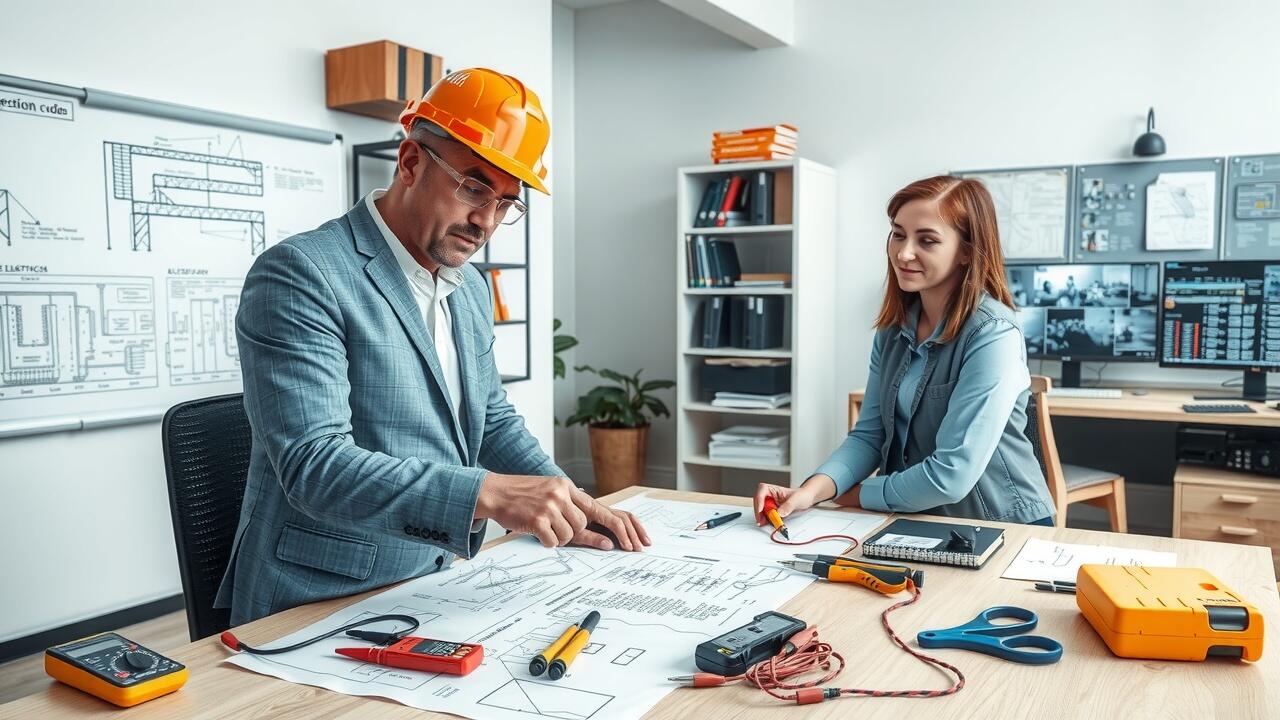
In Texas, electrical work requires proper licensing to ensure that professionals are knowledgeable about safety standards and regulations. Licensed electricians must complete specific training, which often includes apprenticeship programs followed by a licensing exam. This process helps maintain high standards in electrical installations, reducing the risks of accidents or code violations. Homeowners seeking assistance with their electrical projects should prioritize hiring licensed electricians to guarantee compliance with local codes.
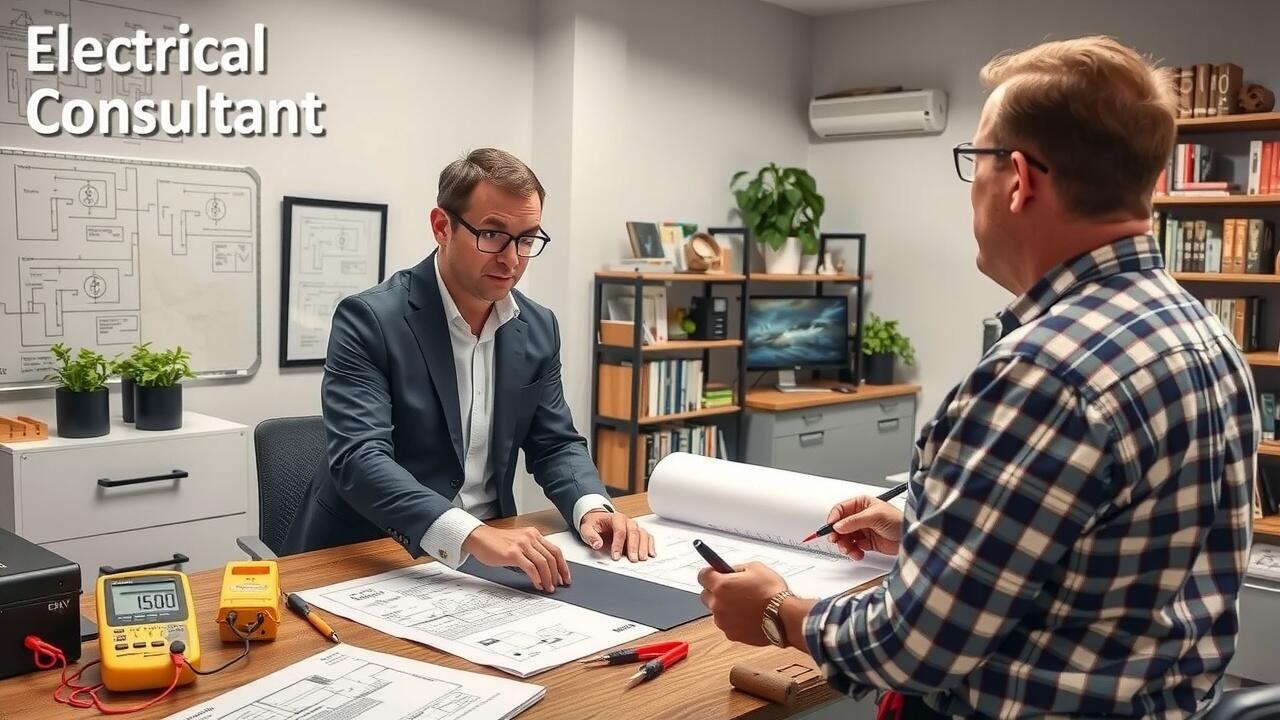
For those considering DIY electrical work, it is crucial to understand the limitations of homeowner’s rights in Texas. While some minor repairs may not require a license, significant electrical projects must be handled by a licensed professional. Engaging in unlicensed work can result in fines and insurance complications. Homeowners may benefit from seeking an electrical consultation in Bayou Vista, Texas, to determine their options and ensure safety in their approach to electrical projects.
How to Verify an Electrician’s License
To verify an electrician’s license in Texas, begin by visiting the Texas Department of Licensing and Regulation (TDLR) website. They maintain a comprehensive database of licensed professionals in the state. Enter the electrician’s name or license number to access their credentials. This simple search can help ensure that the individual you are considering for your project is qualified and compliant with state regulations.
If you prefer a more personal approach, contacting the TDLR directly can provide additional information about the electrician’s history, including any complaints or disciplinary actions. Consider asking for references as well, which allows you to gauge their professionalism and quality of work. When seeking electrical consultation in Bayou Vista, Texas, confirming a technician’s license is crucial for your safety and peace of mind.
Homeowner’s Rights in Texas
Homeowners in Texas have specific rights when it comes to making modifications or repairs to their properties, including electrical work. Under Texas law, property owners can perform electrical tasks on their own homes without needing a license, provided the work is not for commercial purposes. This gives homeowners considerable freedom to manage their properties according to their preferences and budget. However, it is important for individuals considering this path to be aware of local building codes and safety regulations to avoid potential legal issues.
In addition to understanding their rights, homeowners may wish to seek professional guidance when taking on electrical projects. An electrical consultation in Bayou Vista, Texas, can provide valuable insights and help homeowners make informed decisions about their projects. Consulting with an expert ensures compliance with safety standards and can protect homeowners from future liability. Even for those looking to DIY, expert advice can enhance the quality and safety of the work completed.
The Scope of Property Ownership and Electrical Work
Homeowners in Texas have specific rights when it comes to performing electrical work on their own properties. The state does not require individual homeowners to obtain a license for minor electrical projects, which can include tasks such as replacing outlets, installing light fixtures, or making basic repairs. However, more complex electrical work typically mandates hiring a licensed professional to ensure compliance with local codes and safety standards.
While homeowners enjoy the freedom to engage in DIY electrical projects, they should be cautious about the potential risks involved. Engaging in more intricate tasks can lead to safety hazards or code violations, which may impact property insurance coverage. Seeking Electrical Consultation in Bayou Vista, Texas, can help individuals navigate the legalities and best practices for electrical work, ensuring that any project aligns with safety regulations.
Insurance Considerations for DIY Projects
When undertaking any DIY electrical work, homeowners should consider their insurance coverage. Many insurance policies have specific clauses regarding home improvement projects, including electrical installations. It’s essential to review your policy to understand what is covered and what is not. Failure to abide by local building codes or conducting work improperly can lead to complications during a claim process. In some cases, insurance may decline coverage if the work is deemed unprofessional or unsafe.
Additionally, consulting with professionals before starting a project can provide clarity on potential risks and liabilities. Electrical consultation in Bayou Vista, Texas, can guide homeowners through the legalities and safety concerns associated with DIY electrical tasks. This step can help ensure that all required permits are obtained and that the work aligns with local regulations, ultimately safeguarding both the homeowner and the property.
Ensuring Coverage for Electrical Work
Undertaking your own electrical work can lead to complications regarding insurance coverage. Many insurance policies include specific clauses that address DIY projects. If a homeowner decides to perform electrical work without hiring a licensed professional, they may find themselves without coverage if issues arise. Insurers often require adherence to local codes and laws, making it essential for homeowners to understand these obligations before starting any project.
Consulting with your insurance provider is a prudent step before embarking on any electrical work. They can provide guidance on what is covered and what documentation might be necessary to ensure protection. Moreover, seeking an Electrical Consultation in Bayou Vista, Texas, can clarify how local regulations intersect with your insurance policy. This proactive approach can help mitigate risks and ensure compliance, protecting both your property and investment.
FAQS
Is it legal for homeowners to do their own electrical work in Texas?
Yes, homeowners in Texas are allowed to perform their own electrical work on their property, provided they adhere to local building codes and regulations.
Do I need a permit for DIY electrical work in Texas?
Yes, most municipalities in Texas require a permit for electrical work. It’s important to check with your local building authority to determine the specific requirements for your area.
What are the risks of doing my own electrical work?
The risks include potential injury from electrical shock, fire hazards from improper installations, and the possibility of not meeting local codes, which could lead to fines or issues when selling your home.
How can I ensure my DIY electrical work is safe and compliant?
To ensure safety and compliance, familiarize yourself with local electrical codes, consider taking an electrical safety course, and consult with a licensed electrician if you’re unsure about any aspect of the work.
Will my homeowner’s insurance cover DIY electrical work?
Coverage can vary by policy, so it’s crucial to review your homeowner’s insurance policy or speak with your insurance provider to confirm if your DIY electrical work will be covered.