Common Issues Identified
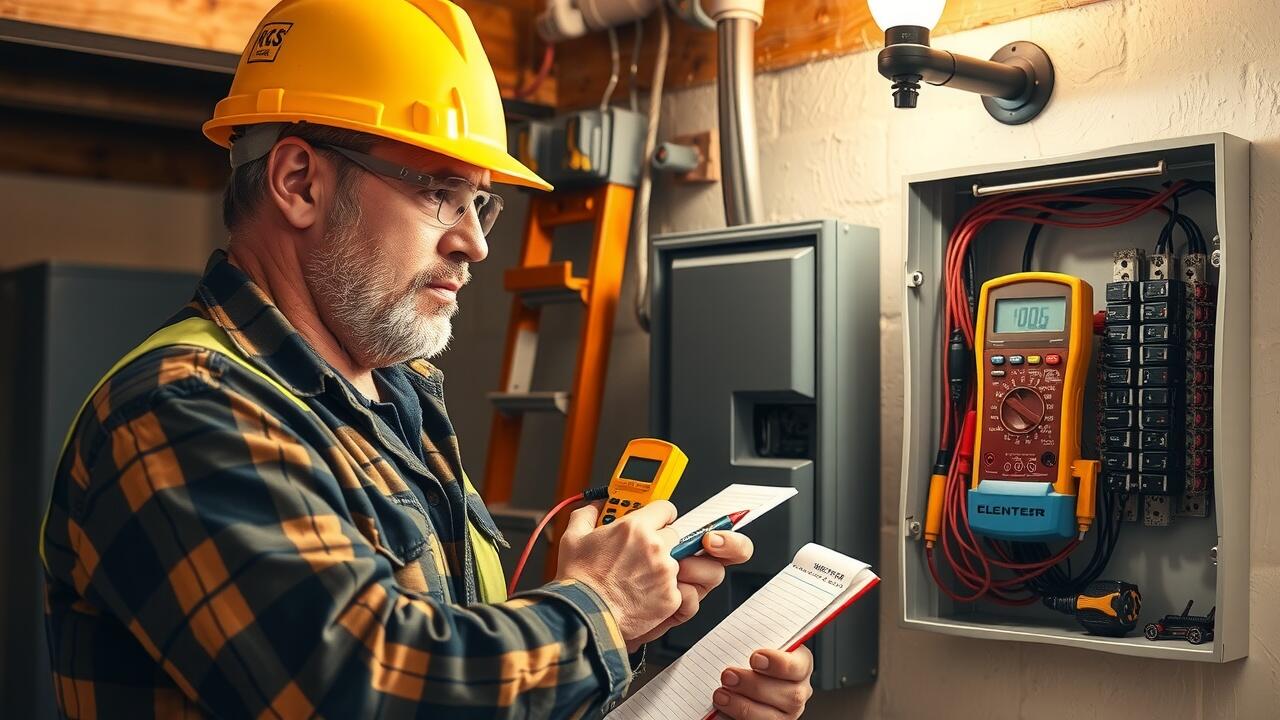
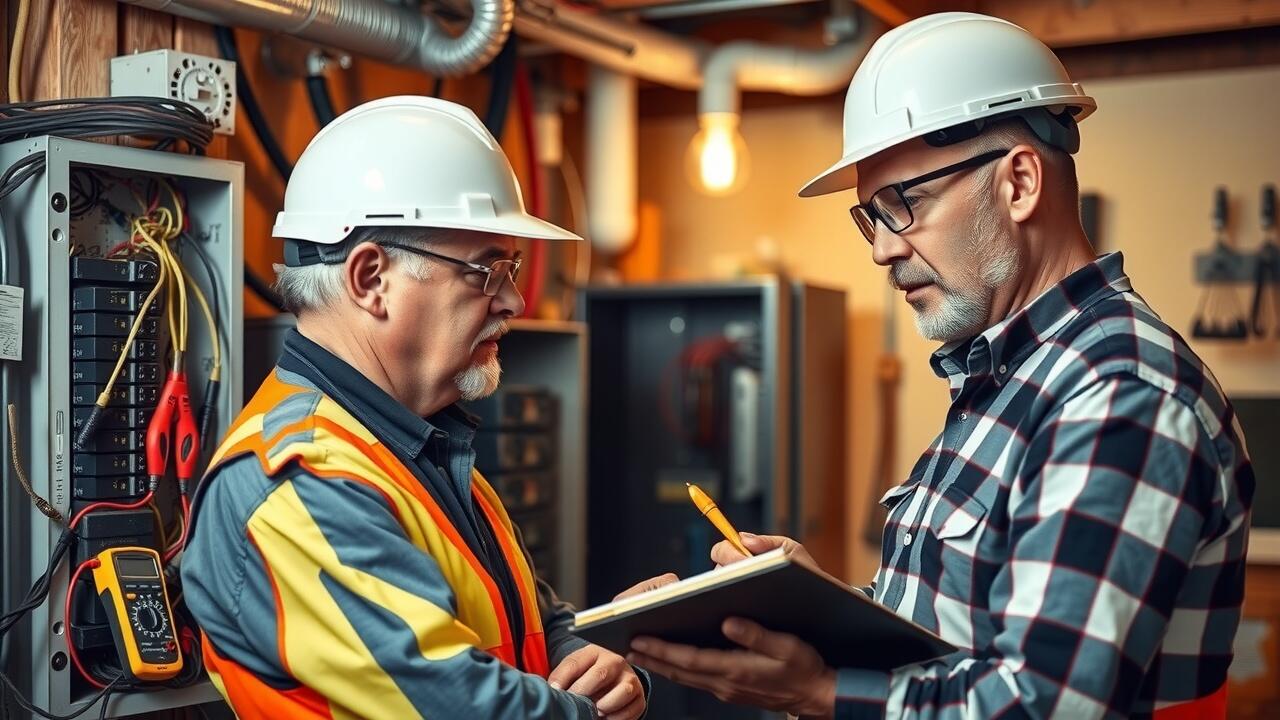
Electrical systems can harbor a range of issues that may pose safety risks. During an electrical inspection in Alvin, Texas, inspectors often encounter outdated wiring, which may not meet current safety standards. Overloaded circuits are another common problem; these can result in equipment failures or even fire hazards if not addressed. Additionally, improper grounding and bonding are frequently identified during inspections. These issues can compromise the safety and functionality of the entire electrical system.
Inadequate lighting, especially in critical areas such as stairways and hallways, often comes to light during an inspection. Inspectors may also find faulty receptacles or improper installation of fixtures, which can lead to operational issues or dangerous situations. Damaged cords and frayed wires are also typical findings. Addressing these common issues is vital to ensure a safe and efficient electrical system within any building, whether residential or commercial.
Typical Problems Found in Inspections
During an electrical inspection in Alvin, Texas, several common issues may be identified. Overloaded circuits frequently pose safety risks, as they can lead to overheating and potential fires. Additionally, improper grounding can create hazardous conditions, especially in older homes where wiring may not meet current safety standards. Inspectors also look for outdated electrical panels that cannot handle the modern electrical load, which can affect the overall efficiency of the home’s electrical system.
Worn or frayed wiring is another problem often discovered during inspections. This situation not only raises concerns for electrical safety but also affects the functionality of devices. Furthermore, the presence of unlicensed electrical work may indicate substandard installation practices, potentially putting occupants at risk. Inspectors focus on these areas to ensure that electrical systems comply with code requirements and maintain a safe environment for residents.
Importance of Compliance with Codes
Compliance with electrical codes is essential for ensuring safety and functionality in any electrical system. These codes are designed to protect both people and property from potential hazards associated with electrical installations. Failing to comply with these regulations can lead to serious consequences, including fires, electrocution, and costly repairs. In areas like Alvin, Texas, adhering to local electrical codes during an Electrical Inspection helps homeowners and businesses identify and rectify any deficiencies in their systems.
Understanding and following local electrical codes also facilitate the smooth passage of inspections and approvals. Each jurisdiction may have specific regulations that reflect regional safety concerns and building practices. An Electrical Inspection in Alvin, Texas, performed by a qualified professional, ensures that the electrical work meets these standards and helps avoid future compliance issues. This diligence not only enhances safety but can also positively impact property value and insurance coverage going forward.
Understanding Local Electrical Codes
Local electrical codes ensure that installations are safe, efficient, and compliant with established standards. These codes vary by region, reflecting local laws, environmental considerations, and safety practices. In Alvin, Texas, adherence to these codes is crucial for homeowner safety and for avoiding potential legal issues. Proper knowledge of these regulations helps residents ensure that their electrical systems function safely and effectively.
Understanding local electrical codes also assists electricians and contractors in performing their jobs according to legal requirements. Compliance involves familiarizing oneself with specific regulations that govern installations, wiring, and equipment in the area. For example, Electrical Inspection in Alvin, Texas, might reveal unique requirements that differ from neighboring regions. These specifications contribute to the overall safety and reliability of electrical systems within the community.
Frequency of Electrical Inspections
The frequency of electrical inspections can vary widely depending on the type of property and its usage. Residential properties typically benefit from inspections every three to five years. Commercial buildings may require more frequent assessments, often annually or bi-annually, due to the higher risks and regulatory requirements involved. Regular inspections help identify issues before they escalate into hazardous situations.
In regions like Alvin, Texas, local regulations might dictate specific timelines for inspections. Homeowners should stay aware of these requirements to ensure compliance. For businesses, adhering to a rigorous schedule is critical not only for safety but also for meeting insurance and legal standards. Keeping up with electrical inspections minimizes risks and enhances the overall safety of electrical systems.
Recommended Timelines for Different Settings
The frequency of electrical inspections can vary based on the type of setting involved. Residential properties typically warrant inspections every three to five years, depending on the age of the electrical system and any past issues. In addition, homes that have undergone significant renovations or upgrades may require earlier evaluations to ensure safety and compliance. For businesses, especially those with heavy electrical loads, annual inspections are advisable to avoid disruptions and guarantee continued safety.
Electrical Inspection in Alvin, Texas, adheres to local regulations, which can dictate specific timelines based on building age or the nature of electrical use. For instance, older buildings may need more frequent assessments to address potential hazards. Regular inspections help maintain safety standards and promote reliability, ensuring that all electrical installations meet current codes. Homeowners and business owners alike should stay informed about local requirements to maintain optimal safety in their environments.
FAQS
What is the main purpose of an electrical inspection?
The main purpose of an electrical inspection is to ensure that the electrical systems in a building are safe, efficient, and compliant with local codes and regulations.
What common issues are identified during an electrical inspection?
Common issues identified during an electrical inspection include outdated wiring, improper grounding, overloaded circuits, and non-compliance with safety codes.
How often should I have an electrical inspection done?
The frequency of electrical inspections can vary based on the setting, but it is generally recommended to conduct inspections every 3 to 5 years for residential properties and annually for commercial properties.
Are electrical inspections required by law?
Yes, electrical inspections are often required by local codes and regulations, particularly during the sale of a property, after renovations, or to ensure compliance with safety standards.
What should I expect during an electrical inspection?
During an electrical inspection, a qualified inspector will evaluate your electrical systems, check for code compliance, assess the condition of wiring and outlets, and provide recommendations for any necessary repairs or upgrades.