Educational Paths for Electricians
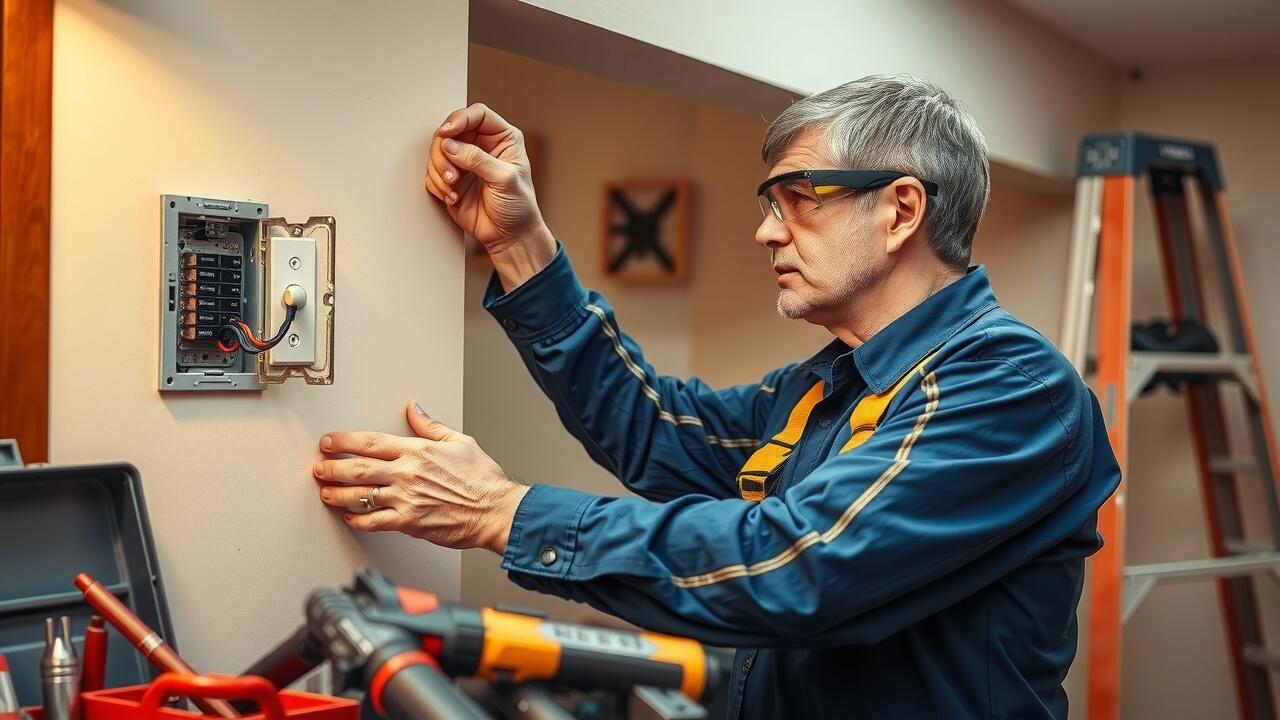
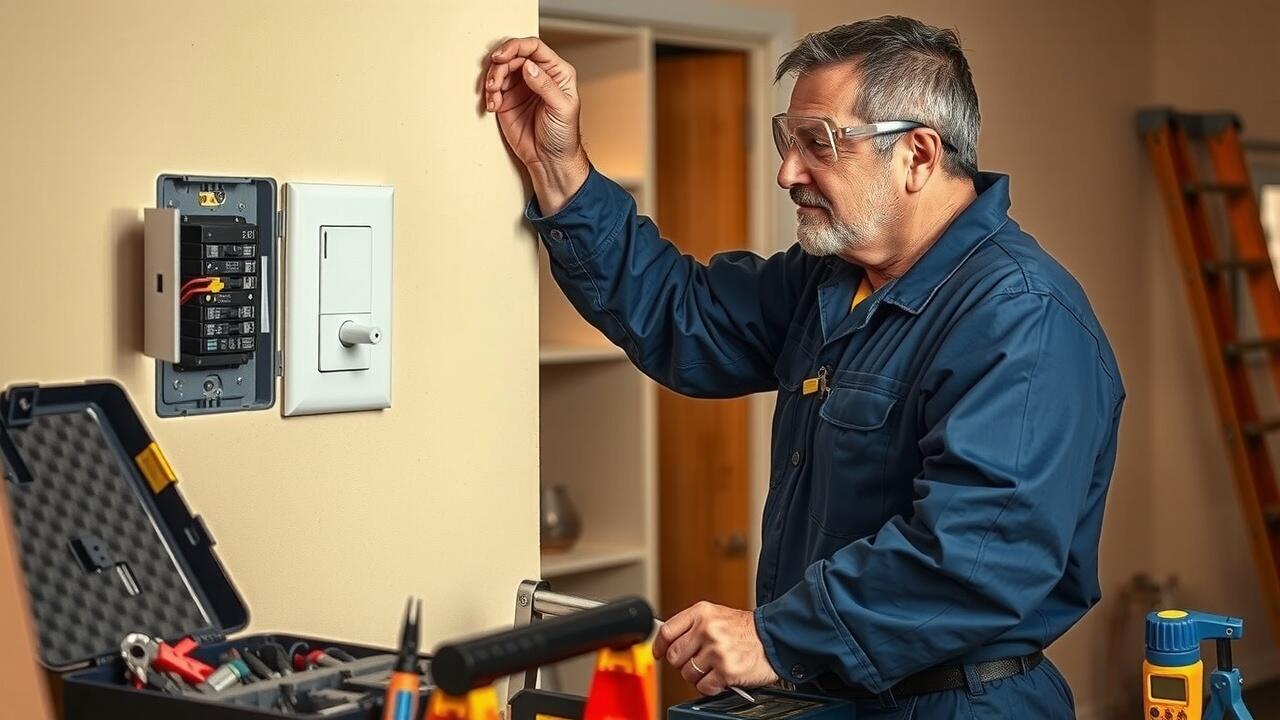
Becoming an electrician typically starts with education and hands-on training. Many individuals choose to enroll in a technical school or community college to acquire the foundational knowledge necessary for this trade. Courses often cover essential topics such as electrical theory, safety practices, and local code requirements. In addition to classroom learning, students usually participate in practical labs to develop their skills in real-world scenarios.
After completing their educational requirements, aspiring electricians often enter an apprenticeship program. These programs usually combine on-the-job training with professional guidance from experienced electricians. An electrician in Galveston, Texas, might undergo rigorous training that allows them to gain both experience and knowledge specific to the region’s electrical codes and regulations. This blended approach is crucial for ensuring that new electricians are prepared for the demands of the industry.
Training for Certification vs. Licensure
To become a certified electrician, individuals typically follow a path that includes completing specific training programs and passing certification exams. These programs often focus on specialized skills and knowledge, such as safety protocols, advanced electrical systems, and new technologies in the field. Aspiring electricians may choose to attend technical schools or community colleges that offer courses tailored to certification requirements.
In contrast, obtaining a license usually involves fulfilling a broader set of prerequisites, which may include a certain number of hours working as an apprentice under a licensed electrician. This process ensures that the electrician has hands-on experience in the field. For example, a licensed electrician in Galveston, Texas, would need to meet state regulations that govern licensure, including passing state exams that test their knowledge of local electrical codes and safety standards.
Common Misconceptions About Electricians
Many people mistakenly believe that all electricians have the same qualifications and training. In reality, the distinction between certified and licensed electricians plays a significant role in their expertise and capabilities. A certified electrician in Galveston, Texas, may have completed specific programs or passed examinations to demonstrate their proficiency in various electrical systems. However, licensure often requires additional experience and compliance with state regulations, which can vary significantly across different regions.
Another common misconception is that being licensed guarantees the quality of work an electrician will deliver. While licensure is essential for ensuring adherence to safety codes and regulations, it does not inherently reflect the practical skills or work ethic of an individual electrician. A licensed electrician in Galveston, Texas, could possess varying levels of experience and customer service skills, which can influence the overall quality of their work. Therefore, it is crucial to conduct thorough research on any electrician’s background, regardless of their licensure status.
Clarifying Certification and Licensing Myths
Many people mistakenly believe that certification and licensure are one and the same, but they serve different purposes. Certification typically indicates that an electrician has completed specific training and passed certain examinations to demonstrate their skills and knowledge. It is often voluntary and can enhance an electrician’s qualifications. However, licensure is a legal requirement in many states, granting the authority to perform electrical work and ensuring compliance with local regulations.
In places like Galveston, Texas, electricians must obtain a license from the state to legally perform electrical installations or repairs. This process usually involves proving a specific amount of experience in the field and passing comprehensive exams assessing knowledge of electrical codes and safety practices. Understanding these distinctions helps clarify misconceptions regarding what is necessary to operate as a professional electrician, whether in urban centers or smaller communities.
Regional Variations in Electrical Licensure
The requirements for electrical licensure vary significantly across the United States. Each state has its own regulatory body that determines the standards for training, testing, and certification. For instance, an electrician in Galveston, Texas must fulfill specific criteria, including completing a certain number of supervised hours and passing state exams, which may differ from those in states like California or New York.
Regional variations can also be influenced by local demand for skilled electricians. In areas with high construction activity, licensure requirements may become more stringent to ensure safety and compliance. As such, aspiring electricians should research the unique regulations of their state or region to understand the path to becoming licensed.
How Different States Regulate Electricians
Regulations surrounding electricians vary significantly from state to state across the United States. Each state has its own set of requirements for licensure and certification, often reflecting local building codes and electrical safety standards. For instance, an electrician in Galveston, Texas, must navigate state-specific guidelines that dictate their eligibility to work on residential or commercial projects. These regulations ensure that electricians possess the necessary skills and knowledge to perform their tasks safely and effectively.
In many states, individuals aspiring to become electricians must complete an apprenticeship program and pass a background check. Some regions may require additional certifications or examinations. The process ensures that electricians are familiar with the latest technology and safety practices. For someone pursuing a career as an electrician in Galveston, Texas, understanding the local requirements is crucial for professional development and compliance with state laws.
FAQS
What is the main difference between a certified and a licensed electrician?
The main difference lies in the requirements and credentials. A licensed electrician has met the state-specific regulations and passed required exams to legally perform electrical work. A certified electrician, on the other hand, often holds certifications from specific organizations that indicate specialized training or expertise but may not be legally required to work in all areas.
Do all states require electricians to be licensed?
Yes, most states require electricians to be licensed in order to perform electrical work legally. However, the specific requirements and types of licenses can vary significantly from state to state.
Can a certified electrician work without a license?
Yes, a certified electrician can work without a license in some states, but this depends on local regulations. In areas where licensure is mandatory, they must obtain the necessary license to perform electrical work.
What kind of training do licensed electricians undergo?
Licensed electricians typically complete a combination of classroom education and hands-on training through apprenticeships. They often attend trade schools or community colleges, where they study electrical theory, code requirements, and safety practices.
Are there specific certifications electricians can obtain?
Yes, electricians can obtain various certifications from organizations such as the National Institute for Certification in Engineering Technologies (NICET) or the National Electrical Contractors Association (NECA). These certifications can demonstrate advanced skills or specialized knowledge in certain areas of electrical work.