Tools of the Trade
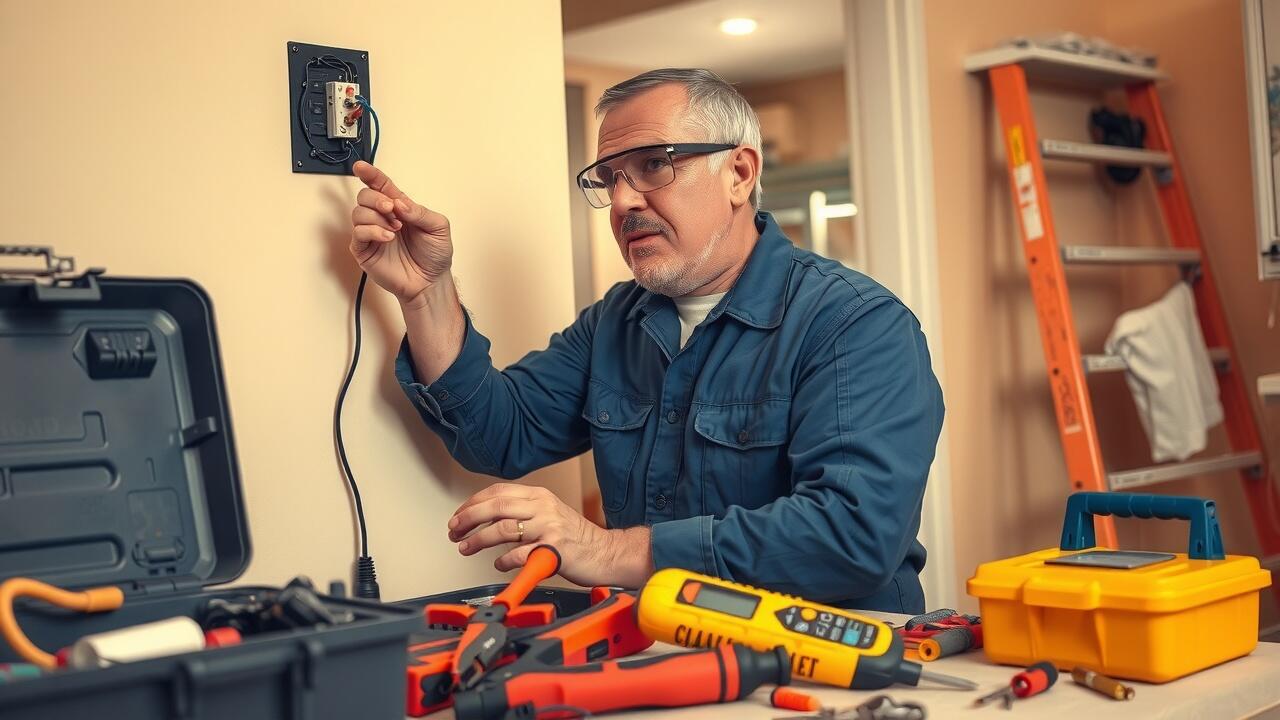
Electricians rely on a variety of specialized tools to perform their work efficiently and safely. Common tools include wire strippers, pliers, screwdrivers, and drills. Proper equipment enhances precision and reduces the risk of accidents. Electricians also utilize testing devices like multimeters and circuit testers to troubleshoot and ensure electrical systems are functioning properly. A knowledgeable electrician in Conroe, Texas, will have a comprehensive toolkit that reflects the specific demands of their work environment.
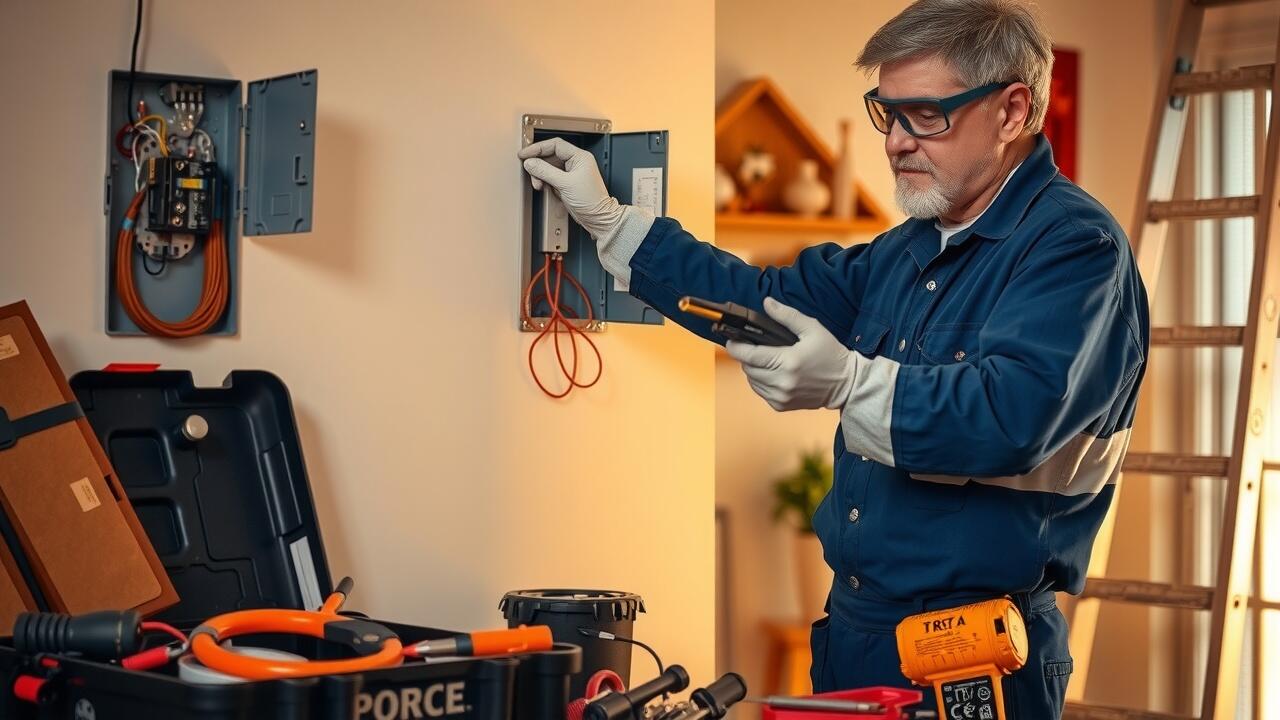
In addition to handheld tools, electricians may also use larger equipment such as ladders, scaffolding, and conduit benders. Safety gear, including hard hats and insulated gloves, is crucial to minimize hazards on the job site. Many electricians invest in high-quality tools to increase durability and performance. This commitment to maintaining an effective toolkit can significantly impact the quality of their workmanship and overall efficiency in various projects.
Essential Equipment for Electricians
Electricians rely on a variety of essential tools to perform their jobs effectively. Common equipment includes pliers, screwdrivers, wire strippers, and multimeters. These tools enable electricians to make precise cuts, connections, and measurements, ensuring that electrical systems function safely and efficiently. For an electrician in Conroe, Texas, having the right equipment is crucial in addressing local electrical codes and standards.
In addition to basic hand tools, electricians also use power tools such as drills and reciprocating saws to tackle larger projects. Safety gear, including gloves, goggles, and hard hats, is crucial for protection against electrical hazards. With the diverse electrical demands in residential, commercial, and industrial settings, an electrician in Conroe, Texas, must be well-equipped to handle various tasks while maintaining safety and compliance.
Safety Standards and Practices
Safety is a top priority for electricians due to the inherent risks associated with electrical work. Every electrician in Conroe, Texas, must adhere to stringent safety standards to protect themselves and their clients. This includes wearing appropriate personal protective equipment, such as gloves, helmets, and goggles, to minimize exposure to electrical hazards. Routine safety training ensures that electricians stay updated on best practices, equipping them to handle emergencies effectively.
Compliance with the National Electrical Code (NEC) is crucial for ensuring that electrical installations are safe and reliable. Electricians in Conroe, Texas, are required to familiarize themselves with these codes and regulations, which set the standards for safe electrical installation and maintenance. Adhering to these guidelines not only reduces liability but also fosters public trust in the workmanship provided by local electrical professionals.
Compliance with National Electrical Code
Compliance with the National Electrical Code (NEC) is a critical aspect of an electrician’s role. This set of standards is designed to ensure safety and consistency in electrical installations. An electrician in Conroe, Texas, must be familiar with these regulations to ensure that all work adheres to local, state, and federal guidelines. Understanding the NEC helps electricians avoid hazards and legal issues while ensuring that installations meet code requirements.
Staying updated with NEC revisions is essential for any electrical professional. Local jurisdictions may have additional codes that complement the NEC, adding another layer of complexity. An electrician in Conroe, Texas, must not only grasp these national standards but also recognize how they interact with local regulations. This knowledge ultimately promotes safer electrical systems and contributes to the overall professionalism of the trade.
Career Path and Advancement
The career path of an electrician often begins with an apprenticeship, providing hands-on experience under the supervision of experienced professionals. This practical training is essential for mastering technical skills and understanding the complexities of electrical systems. After successfully completing the apprenticeship, many electricians choose to obtain licensing, which can vary by state. For those aiming for specialization, additional certifications may be pursued in areas such as renewable energy or industrial electrical work.
Electricians in Conroe, Texas, have the opportunity to advance their careers through various avenues. With the growing demand for skilled workers in the region, professionals can transition into supervisory roles or even start their own electrical contracting businesses. Networking within the local construction and trade communities can also lead to new opportunities. Continued education and staying current with the latest technologies contribute significantly to career growth.
Opportunities for Specialization
Electricians can choose to specialize in various fields to enhance their skills and marketability. Common areas of specialization include residential, commercial, and industrial electrical work. Each area requires distinct knowledge and expertise, allowing electricians to hone their abilities in specific settings. For instance, a residential electrician needs to understand home wiring systems, while a commercial electrician may deal with more complex power distribution systems.
Being an electrician in Conroe, Texas, presents unique opportunities for specialization. The region combines both urban and rural characteristics, which may demand different skills based on the local infrastructure. Electricians who focus on energy efficiency or renewable energy solutions, such as solar panel installation, are becoming increasingly valuable as more homeowners and businesses seek sustainable options. This trend opens pathways for electricians to expand their expertise and serve a growing market.
FAQS
What are the four main types of electricians?
The four main types of electricians are residential electricians, commercial electricians, industrial electricians, and low-voltage electricians.
What does a residential electrician do?
A residential electrician specializes in wiring, installing, and maintaining electrical systems in homes, including lighting, outlets, and circuit breakers.
How does a commercial electrician differ from a residential electrician?
A commercial electrician works on electrical systems in commercial buildings, such as offices, retail stores, and schools, often dealing with larger systems and more complex installations.
What kind of work does an industrial electrician perform?
Industrial electricians focus on electrical systems in manufacturing and industrial settings, maintaining and repairing machinery, equipment, and heavy-duty electrical systems.
What tasks do low-voltage electricians handle?
Low-voltage electricians work with systems that operate on low voltage, such as security systems, telecommunications, and data network installations.