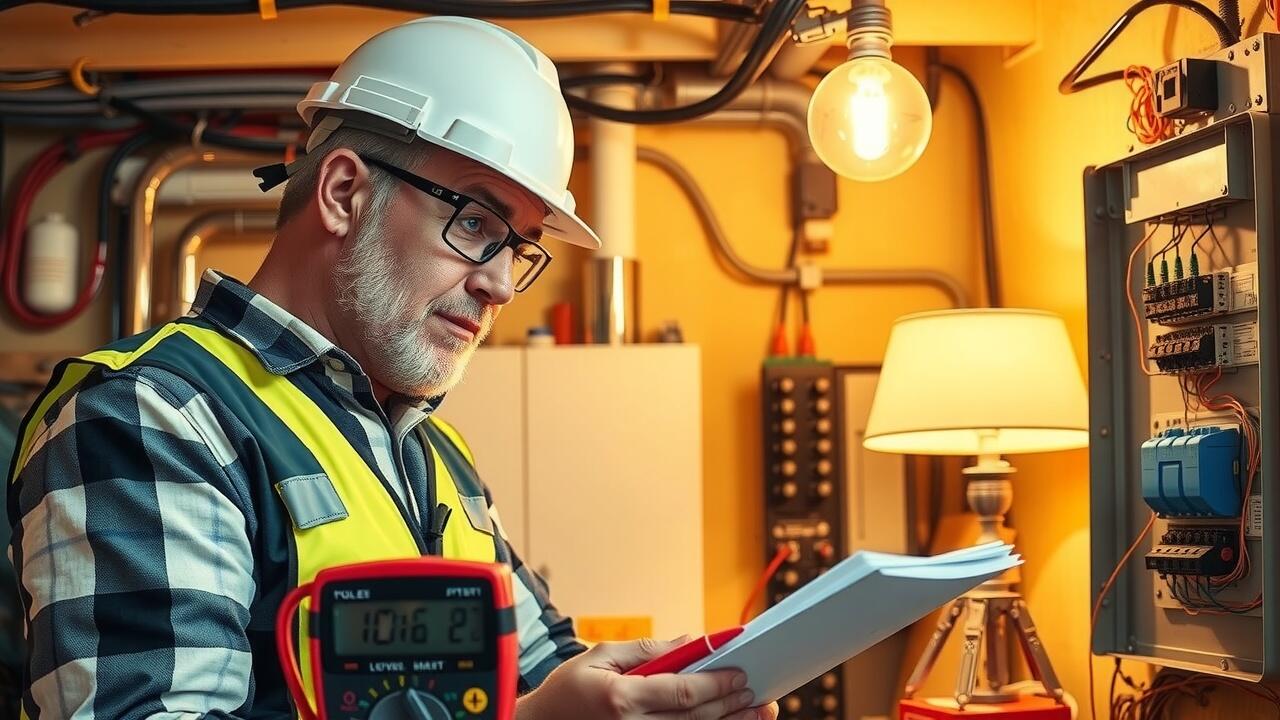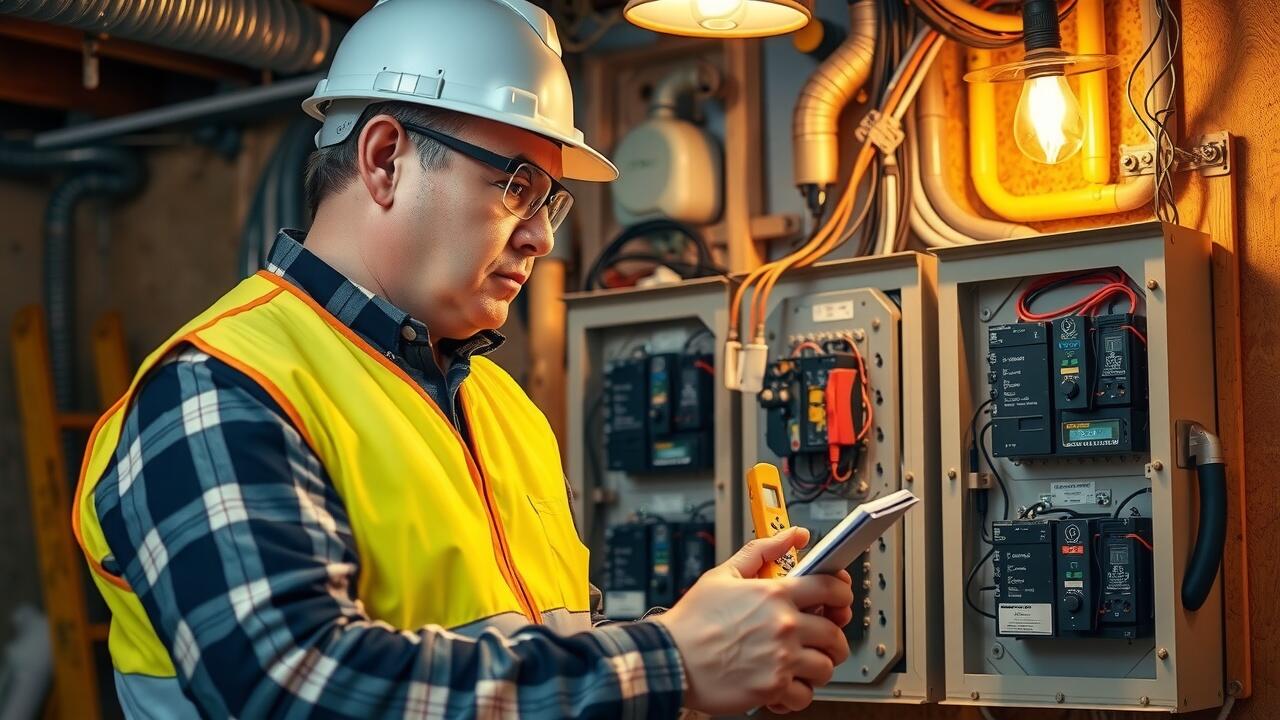
Performing Electrical Work Safely
Performing electrical work safely is crucial to prevent accidents and ensure compliance with local codes. Before starting any project, it is essential to gather the right tools and materials, as well as understand the specific requirements for your area. Familiarity with local codes, particularly those governing electrical installations, can help mitigate risks. Wearing appropriate safety gear, such as gloves and safety goggles, adds an extra layer of protection while working.
It is advisable to turn off the power before beginning any electrical project. This helps reduce the risk of electric shock and allows for a safer working environment. Engaging in best practices also means taking the time to read relevant manuals or guidelines for the equipment being installed. If you reside in the region, consider scheduling an Electrical Inspection in Dickinson, Texas, to ensure that your work meets safety standards and local regulations.
Key Safety Practices
When undertaking electrical work, adhering to key safety practices is essential to protect yourself and those around you. Always turn off the power at the circuit breaker before beginning any project. Use insulated tools to reduce the risk of electric shock. Wearing appropriate personal protective equipment, such as gloves and safety glasses, adds an extra layer of security. Familiarize yourself with local electrical codes and regulations to ensure your project meets safety standards.
In Dickinson, Texas, hiring a licensed electrician for complex tasks can save time and minimize hazards. Even if you choose to manage some aspects of the work yourself, scheduling an Electrical Inspection in Dickinson, Texas, can verify compliance with safety standards. Inspectors check wiring, grounding, and circuit integrity to ensure everything is up to code. This process helps prevent potential electrical hazards and ensures that any work done is safe and reliable.
Inspection Process for Electrical Work
Inspecting electrical work is essential to ensure that installations meet local codes and regulations. Homeowners must schedule an inspection after completing their electrical projects. Local authorities or third-party inspectors review completed tasks to verify safety and compliance. If the work passes inspection, homeowners gain peace of mind knowing their installations are up to code.
In Dickinson, Texas, the inspection process can vary based on the complexity of the work conducted. Inspectors focus on various aspects such as grounding, wire sizing, and the installation of circuit breakers. Understanding these requirements is crucial for homeowners who choose to undertake electrical projects on their own. Engaging with local inspectors during the process can also provide valuable guidance to achieve successful outcomes.
What Inspectors Look For
Inspectors focus on several critical elements during an electrical inspection. They assess the installation and condition of wiring, ensuring it meets the National Electrical Code (NEC) standards. Inspectors examine circuit breakers and panels for proper labeling and access, which are essential for safety and functionality. They also check outlets for correct grounding and proper installation to minimize electrical hazards.
In Dickinson, Texas, inspectors pay particular attention to local codes and regulations that may differ from federal standards. They evaluate the overall load capacity of circuits, ensuring they are not overloaded, which can lead to potential fire hazards. Additionally, inspectors look for proper use of materials and equipment, including fixtures, junction boxes, and grounding systems to ensure compliance and safety in residential and commercial properties.
Understanding the Benefits of Inspection
Electrical inspections provide numerous advantages, particularly in ensuring that work is completed in accordance with local codes and safety standards. Homeowners gain peace of mind knowing that their electrical systems are functioning safely and efficiently. An inspector’s trained eye can identify potential hazards that may not be immediately apparent during DIY projects. This evaluation not only protects family members from electrical shocks or fires but also increases the overall value of a property.
In Dickinson, Texas, electrical inspection serves as a proactive measure that helps in maintaining compliance with state regulations. Ensuring that all electrical work is inspected can prevent costly repairs down the line and enhance the durability of the installation. By adhering to these guidelines, homeowners create a safer living environment while simultaneously establishing a solid foundation for future electrical improvements.
Ensuring Compliance and Safety
Completing electrical work without professional assistance can be tempting, but ensuring compliance with local codes is crucial. Electrical systems require adherence to specific regulations designed to maintain safety and reliability. Conducting your own electrical work means you must familiarize yourself with the National Electrical Code (NEC) and any additional local regulations that may apply in your area. Without proper knowledge, the risk of code violations increases, which could lead to unsafe conditions.
Electrical Inspection in Dickinson, Texas, offers essential verification that work adheres to these standards. An inspection confirms that the completed projects are safe for use and function correctly. Engaging with professionals during inspections ensures that any mistakes are identified and corrected, protecting both residents and properties. This commitment to safety fosters peace of mind, knowing that electrical systems are installed properly and safely.
FAQS
Can I legally perform my own electrical work?
Yes, in many states, homeowners can perform their own electrical work, but it’s essential to check local regulations as some areas may have restrictions or require permits.
What are the key safety practices I should follow when doing electrical work?
Always turn off the power to the circuit you’re working on, use insulated tools, wear rubber-soled shoes, and ensure your work area is dry. Additionally, it’s crucial to use appropriate personal protective equipment and follow all safety codes.
How can I have my electrical work inspected after completing it?
To have your electrical work inspected, you typically need to schedule an inspection with your local building department or a licensed electrical inspector. This may involve filling out a request form and paying a fee.
What do inspectors look for during a home electrical inspection?
Inspectors check for compliance with local electrical codes, proper grounding, correct wiring methods, adequate circuit protection, and overall safety of the installation.
What are the benefits of having my electrical work inspected?
An inspection ensures that your work complies with safety codes and standards, reduces the risk of electrical hazards, and can potentially increase the resale value of your home by providing proof of safe and professional work.