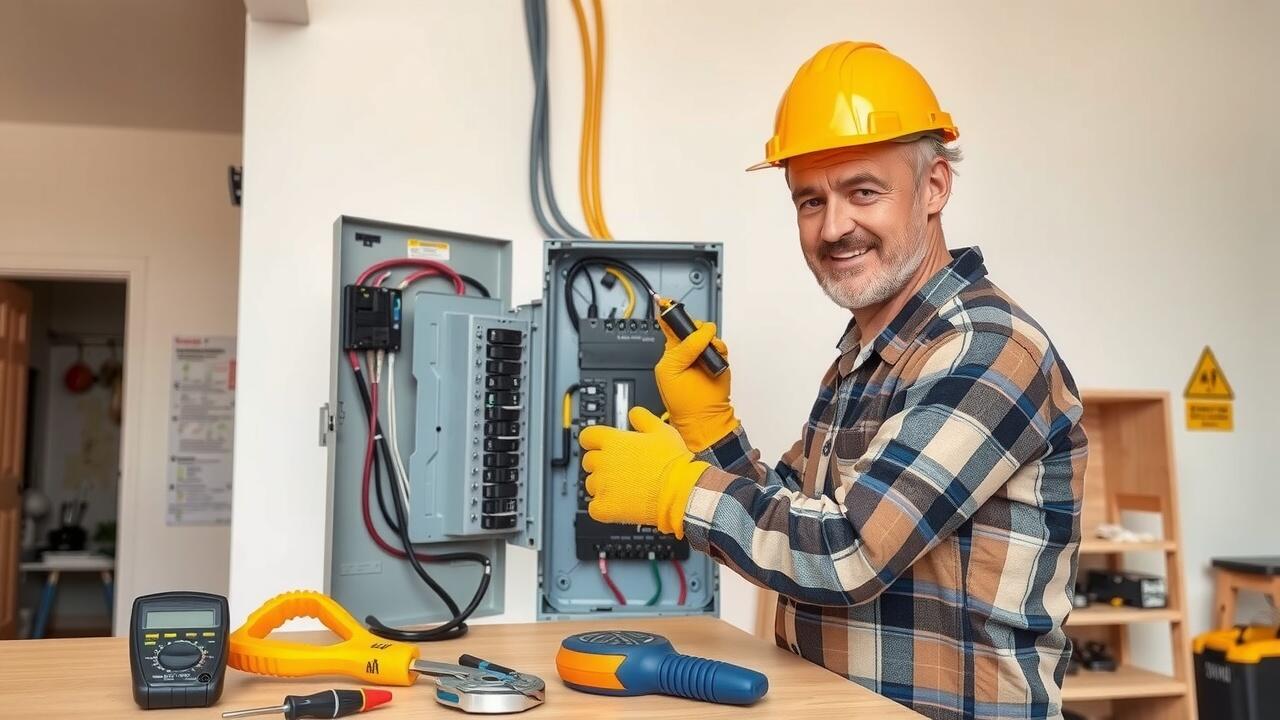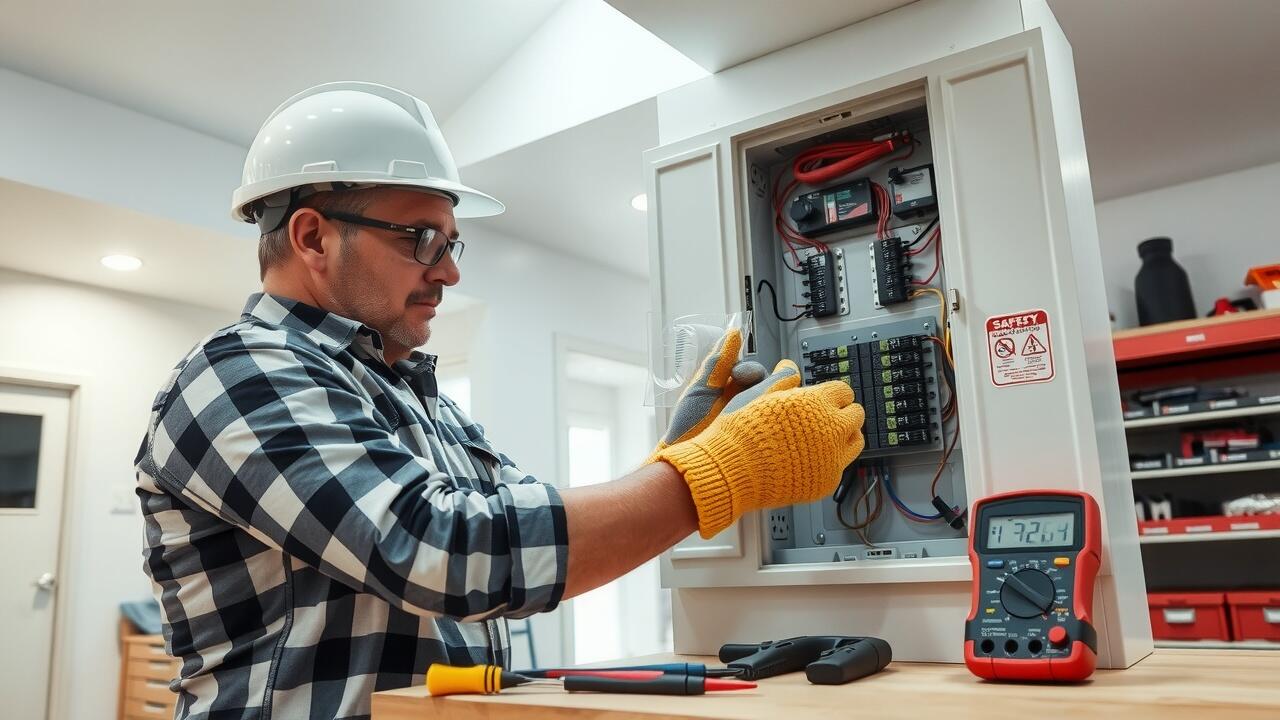
Steps to Upgrade Your Electrical Panel
Upgrading an electrical panel involves several critical steps to ensure safety and compliance with local codes. First, it is essential to assess the current electrical system and determine the capacity needed for future demands. Overloading existing circuits can lead to hazards, so a thorough evaluation by a licensed electrician is recommended. This assessment will guide the choice of an appropriate new panel, which should accommodate the power requirements of modern appliances and devices.
After assessing needs, the next step is to select an appropriate electrical panel that meets both current and future electrical demands. Consider factors such as the number of circuits, amperage rating, and compatibility with existing systems. For those in the area, Electrical Panel Upgrades in Hillcrest, Texas, provide options designed for residential needs and local regulations. This phase often includes obtaining the necessary permits before installation, ensuring that all work proceeds legally and safely.
Overview of the Upgrade Process
Upgrading an electrical panel involves several key steps that ensure safety and compliance with current electrical codes. Initially, it’s important to assess the existing panel to determine its capacity and condition. If the panel is outdated or overloaded, a professional evaluation is necessary to confirm the need for an upgrade. During this process, homeowners should gather relevant information about local regulations, especially for specific areas like Hillcrest, Texas, where particular codes may apply to residential electrical systems.
Once the assessment is complete, the selection of a new panel can begin. Homeowners often choose between different types and sizes, depending on their power needs and future expansions. It is crucial to work with qualified electricians who are familiar with Electrical Panel Upgrades in Hillcrest, Texas, to ensure that the installation is done safely and meets all local requirements. This collaboration helps streamline the process and mitigates any potential issues that may arise during the upgrade.
Choosing the Right Electrical Panel
Selecting the right electrical panel is crucial for ensuring safety and efficiency in your home’s electrical system. Homeowners should consider the amperage needs of their household, particularly if they plan to add new appliances or technology that may demand more power. Standard residential panels typically range from 100 to 200 amps, with newer homes often utilizing 200 amps to accommodate modern electrical loads. It is essential to evaluate future demands when making this decision.
When contemplating Electrical Panel Upgrades in Hillcrest, Texas, it’s equally important to factor in the manufacturer’s reputation and the warranty offered with the new panel. Some manufacturers provide superior products with extensive warranties, leading to long-term reliability. Consulting with local electricians can help homeowners choose a panel that meets both local codes and individual requirements, ensuring a smooth upgrade process that aligns with safety standards.
Factors to Consider in Selection
When selecting an electrical panel for your upgrade, it’s essential to consider the current and future power needs of your household. Assessing the number of circuits and overall wattage capacity can help determine the appropriate size of the panel. Many modern homes require more power due to the prevalence of high-demand appliances and technology. A well-chosen panel can prevent issues such as tripped breakers and can better accommodate additional devices in the future.
Local building codes and regulations also play a critical role in panel selection. Each area may have unique requirements that dictate the types and sizes of panels allowed. It’s advisable to consult with professionals who understand Electrical Panel Upgrades in Hillcrest, Texas, to ensure compliance and safety. Understanding these factors can help streamline the upgrade process and provide a more reliable electrical system.
Costs Involved in Upgrading
Upgrading an electrical panel involves several expenses that homeowners should anticipate. The costs can vary widely based on the local market, the complexity of the installation, and the specific requirements of the home. Labor costs often constitute a significant portion of the total expenditure, reflecting the skill and time required for skilled electricians. The price of the new panel itself can also fluctuate, depending on the amperage and features. For homeowners considering Electrical Panel Upgrades in Hillcrest, Texas, obtaining multiple estimates is advisable to understand the range of potential costs.
In addition to labor and materials, homeowners may face other related expenses. These may include obtaining permits, which can be necessary in many jurisdictions, as well as potential upgrades to accommodate any additional circuits or specific needs determined during the installation process. Lastly, local codes and regulations can influence the overall cost, requiring adherence to safety standards that might add to the final bill. Taking all these factors into account is essential for anyone planning a panel upgrade.
Breakdown of Potential Expenses
When considering the costs involved in upgrading an electrical panel, several factors come into play. The price of the new panel itself can vary significantly based on its capacity and features. Generally, standard residential panels may range from $500 to $1,500, while more advanced systems can exceed this range. In addition to the panel cost, homeowners must factor in labor expenses, which typically account for a substantial portion of the overall budget. Hiring a licensed electrician is crucial for safety and compliance, and hourly rates can vary depending on the region and complexity of the installation.
Electrical Panel Upgrades in Hillcrest, Texas, may also incur additional expenses. Permitting fees could apply, particularly for significant changes, and these costs can fluctuate by locality. Unexpected expenses might arise if repairs or updates to the existing wiring are needed during the upgrade process. Homeowners should also consider potential upgrades to meet current safety standards, as these adjustments can add to the overall investment. Budgeting for these potential costs will help ensure a smoother transition to a new electrical panel.
FAQS
Can I upgrade my electrical panel without replacing the wiring in my house?
Yes, you can upgrade your electrical panel without rewiring the entire house, provided that the existing wiring is in good condition and meets current safety standards.
What are the main steps involved in upgrading an electrical panel?
The main steps include assessing your current electrical needs, selecting the right panel, obtaining necessary permits, and hiring a licensed electrician to perform the installation.
How do I choose the right electrical panel for my home?
Consider factors such as your home’s electrical load requirements, the number of circuits you need, compatibility with existing wiring, and local building codes when selecting an electrical panel.
What costs should I expect when upgrading my electrical panel?
Costs can vary widely, but you should budget for the new panel itself, labor for installation, permits, and any additional materials needed, such as circuit breakers or grounding systems.
Will upgrading my electrical panel improve the safety of my home?
Yes, upgrading an outdated electrical panel can enhance safety by reducing the risk of electrical fires, ensuring compliance with current codes, and providing sufficient power for modern appliances.