Options for Homeowners
Homeowners facing the discovery of unpermitted work have several options to consider. They may choose to rectify the situation by obtaining the necessary permits for the completed work. This process often involves hiring a licensed contractor or submitting modifications to bring the project up to code. It is essential for homeowners to engage with local authorities and provide any documentation required to address compliance issues. In some cases, they may also face fines or penalties, which can vary based on the nature and extent of the unpermitted work.
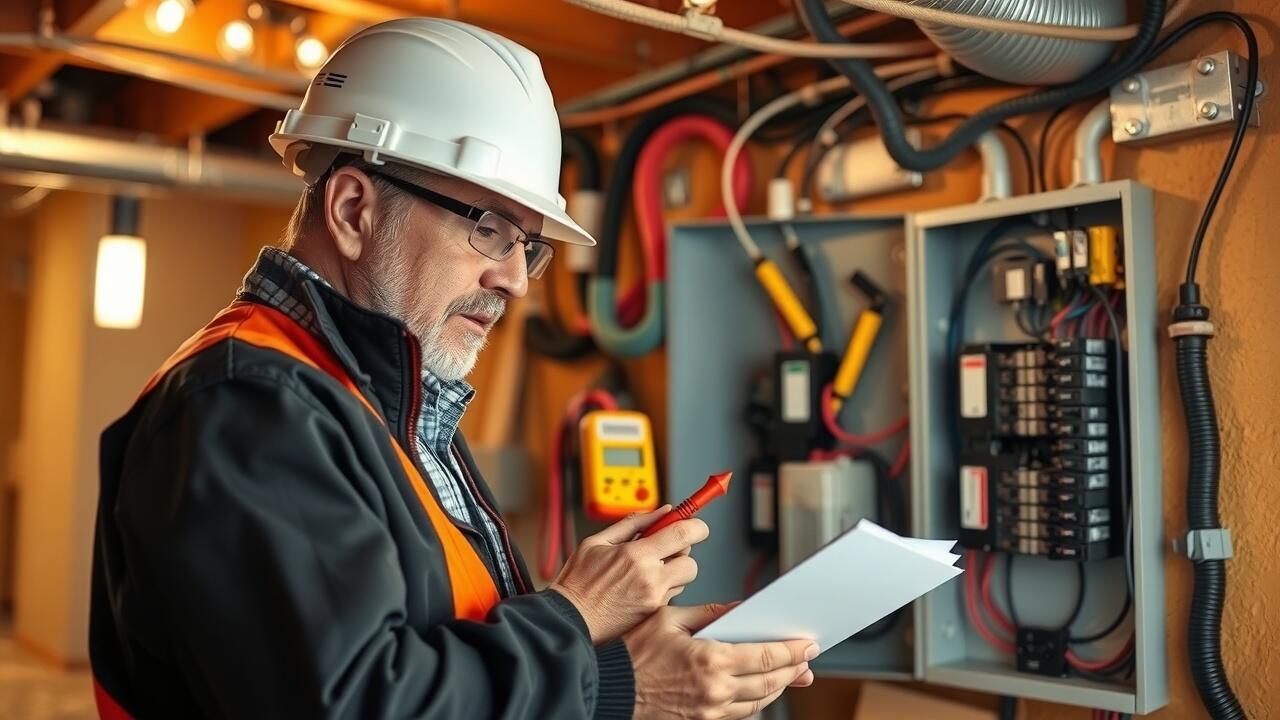
Another option involves seeking a resolution through a formal appeal or request for inspection. For instance, if a homeowner is in Freeport, Texas, they could contact the local building department and request an Electrical Inspection in Freeport, Texas, to assess the safety and compliance of the work. This approach allows homeowners to demonstrate their commitment to safety and regulation while potentially minimizing penalties. Open communication with building officials can help navigate the process and clarify next steps, ensuring a smoother resolution to any issues related to unpermitted work.
Remedies for Unpermitted Work
When an inspector finds unpermitted work, homeowners typically have a few remedies available to rectify the situation. One option is to apply for a retroactive permit, which may allow the property owner to bring the work up to code and avoid potential fines. This process often requires a thorough inspection of the unpermitted work, along with any necessary modifications to ensure compliance with local regulations. The timeframe and costs associated with this option vary based on the extent of the work and the specifics of municipal requirements.
Another remedy involves correcting the unpermitted work before proceeding with any official inspections. This often means dismantling or altering the unpermitted project to meet local standards. Homeowners should consider hiring a licensed contractor to handle these changes effectively. For instance, if a homeowner has electrical work that needs inspection, an expert in Electrical Inspection in Freeport, Texas, can ensure that all installations adhere to safety codes and regulations, minimizing future risks and liabilities.
How to Mitigate Risks
Mitigating risks associated with unpermitted work begins with understanding local building codes and regulations. Homeowners should familiarize themselves with the permitting process specific to their area. Consulting with local authorities can provide clarity on necessary permits for various projects. Engaging a licensed contractor who has experience with the permitting process can also help ensure compliance from the outset. This proactive approach significantly reduces the likelihood of issues arising during or after construction.
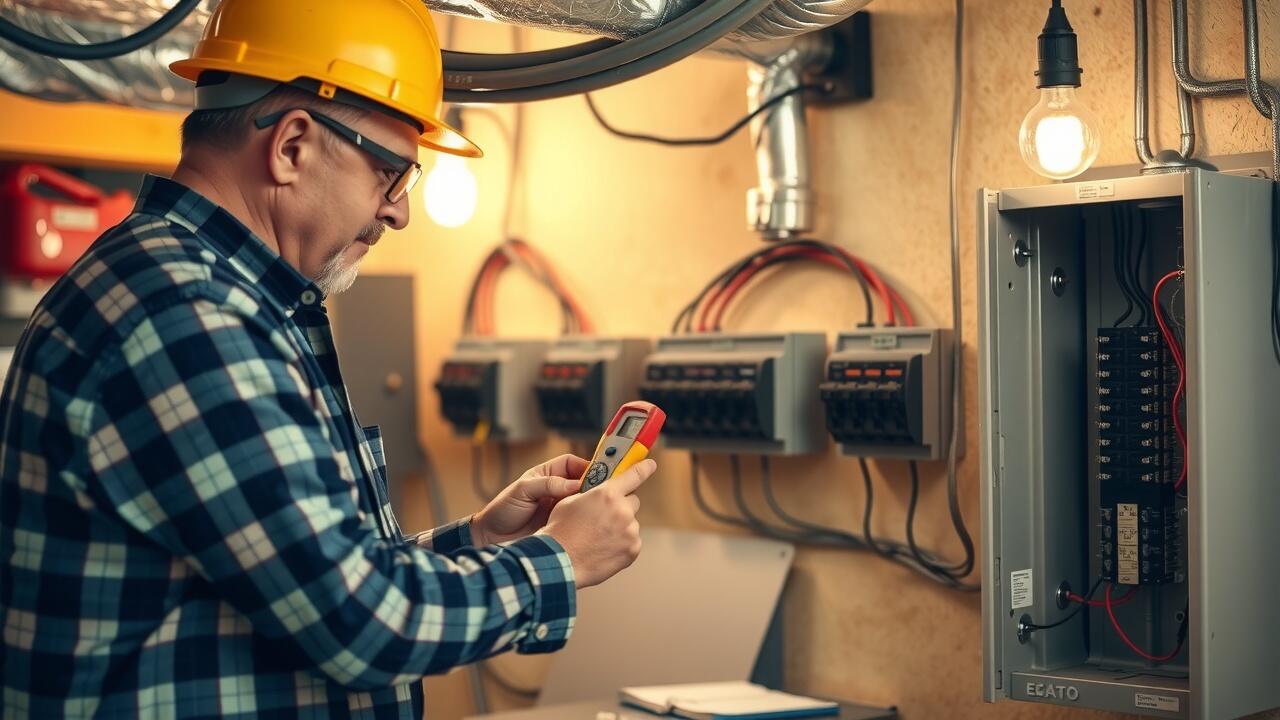
Another crucial step involves scheduling inspections at different stages of the project. For instance, arranging an Electrical Inspection in Freeport, Texas, before completing electrical work can catch potential problems early. Regular inspections can not only verify that the work adheres to permit guidelines but also maintain safety standards. Investing time in these preventive measures leads to peace of mind and can protect homeowners from future financial and legal consequences.
Best Practices for Permitting
When undertaking any construction or renovation project, following best practices for permitting is essential. Homeowners should research local regulations and be aware of the specific permits required for their planned work. Gathering necessary documentation, such as site plans and engineering reports, can streamline the approval process. Engaging with professionals experienced in permitting can also reduce the risk of errors that may lead to delays or complications.
Consulting with local authorities before starting the project helps ensure compliance with zoning laws and building codes. For example, if your project involves substantial electrical work, scheduling an Electrical Inspection in Freeport, Texas, may be mandated to ensure the safety and integrity of the installations. Maintaining detailed records of all permits and inspections will provide a clear history of the work done and can protect homeowners in case of any future disputes or inspections.
The Importance of Permits
Permits serve a critical role in ensuring that construction and renovation projects adhere to established safety standards and building codes. Securing the proper permits guarantees that work is conducted by qualified professionals and that it complies with local regulations. This regulatory framework not only enhances the safety of the structure but also protects homeowners from potential legal issues that may arise from unapproved alterations. For instance, an electrical inspection in Freeport, Texas, can help identify any hazards resulting from unpermitted electrical work, preventing accidents and ensuring the system meets compliance.
When permits are obtained, homeowners can rest assured that their projects have been evaluated by professionals who prioritize safety and structural integrity. This process includes considerations like electrical, plumbing, and mechanical systems, which are vital for the overall health of a home. Neglecting to secure permits can lead to significant challenges, including costly fines and reconstruction, and may also impact insurance claims in the event of damages or accidents related to unpermitted work.
Why Permits Matter for Safety
Permits play a crucial role in ensuring safety in construction and renovation projects. They require adherence to building codes and standards that protect both workers and residents. Engaging in unpermitted work can lead to hazardous situations, from structural failures to unsafe electrical systems. Homeowners must prioritize these regulations to maintain a safe living environment.
In areas like Freeport, Texas, adhering to permitting regulations becomes even more critical when considering specific local conditions. For instance, important inspections, such as Electrical Inspection in Freeport, Texas, help to confirm that electrical work meets safety standards. Neglecting the permitting process can result in subpar workmanship, posing risks to occupants and emergencies that could have been prevented.
FAQS
What is considered unpermitted work in a home?
Unpermitted work refers to construction, renovations, or alterations made to a property without obtaining the necessary permits from local building authorities. This can include anything from minor updates to major structural changes.
What are the potential consequences of having unpermitted work discovered by an inspector?
If an inspector finds unpermitted work, consequences may include fines, orders to halt work, requirements to obtain retroactive permits, or even the need to remove or correct the unpermitted work to comply with local building codes.
Can I sell my home if there is unpermitted work?
Yes, you can sell your home with unpermitted work, but it may complicate the sale. Buyers might require you to address the unpermitted work before closing, or they may adjust their offer to account for the risks involved.
How can I rectify unpermitted work after it has been discovered?
To rectify unpermitted work, you usually need to apply for the appropriate permits and have the work inspected. In some cases, you may have to modify or remove the unpermitted work to meet building codes.
What steps can I take to avoid unpermitted work in my home?
To avoid unpermitted work, always check local regulations before starting any project, obtain the necessary permits prior to construction, and consult with professionals who are familiar with building codes and permitting processes.