Regulatory Bodies Overseeing Inspections
Regulatory bodies play a crucial role in ensuring that electrical inspections and testing are conducted safely and in compliance with established standards. In the United States, the National Electrical Code (NEC) sets the baseline for electrical safety, outlining the necessary requirements for installations and inspections. Local and state authorities often adopt these guidelines and enforce them through licensing and regulation. It is essential for contractors and inspectors to stay informed about any updates or changes to these regulations to maintain compliance.
In Conroe, Texas, the city has specific regulations and licensing requirements for electrical inspectors and contractors. Local authorities are responsible for enforcing compliance with the NEC and other relevant safety codes. This ensures that electrical systems in both residential and commercial settings are installed and maintained properly. Proper certification from recognized organizations is also mandatory for anyone wishing to conduct electrical inspection in Conroe, Texas.
Standards Set by National Organizations
National organizations play a crucial role in establishing standards for electrical inspections and testing to ensure safety and reliability. Organizations such as the National Fire Protection Association (NFPA) and the Institute of Electrical and Electronics Engineers (IEEE) develop guidelines that help set uniform practices across different regions. These standards encompass various aspects of electrical systems, including installation procedures, safety protocols, and maintenance practices. Adhering to these established standards is essential for professionals conducting electrical inspections in Conroe, Texas, as they not only promote compliance but also enhance the overall safety of residential and commercial properties.
In addition to safety protocols, national organizations often offer training and certification programs that help electricians stay updated on current practices and technologies. These programs ensure that professionals are not only familiar with national standards but also equipped to apply them effectively. For those involved in electrical inspection in Conroe, Texas, understanding these standards is vital for delivering quality services. Continuous education fosters a commitment to excellence and safety, thereby protecting both the inspector and the property owner from potential hazards.
Common Procedures in Electrical Testing
Common procedures in electrical testing typically involve a systematic approach to ensure safety and compliance with relevant standards. Technicians begin by identifying the specific systems and components that require testing. They use a combination of visual inspections and testing instruments to evaluate the integrity of the electrical systems. Insulation resistance tests, continuity tests, and voltage testing are often part of the process. Electrical Inspection in Conroe, Texas, follows established protocols to guarantee that the testing is thorough and meets jurisdictional requirements.
Another significant aspect of electrical testing is the documentation of the findings. Inspectors record data from the tests and highlight any issues that may need addressing. This documentation serves as a crucial reference for the property owner and can be used for future inspections or maintenance. Following the completion of the tests, professionals provide recommendations or reports in accordance with the local codes and standards. In regions like Conroe, Texas, adherence to these procedures ensures that electrical systems remain safe for users while also complying with regulatory demands.
Step-by-Step Process of Inspections
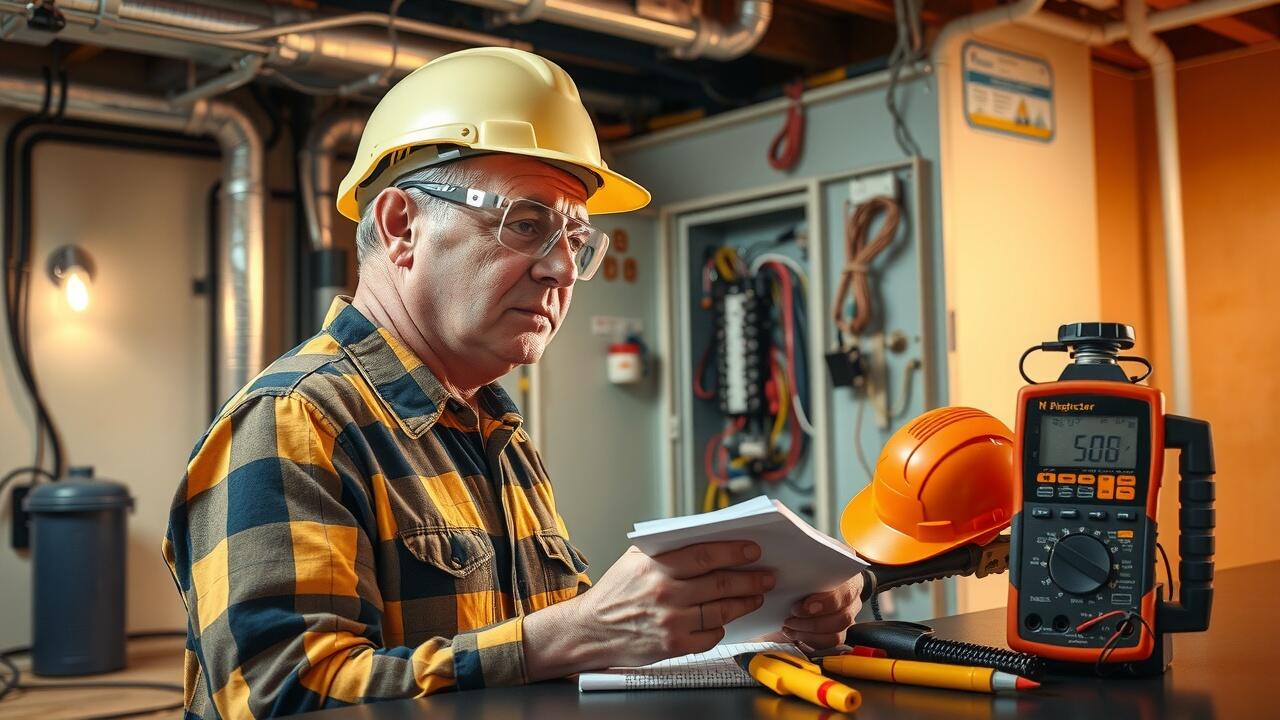
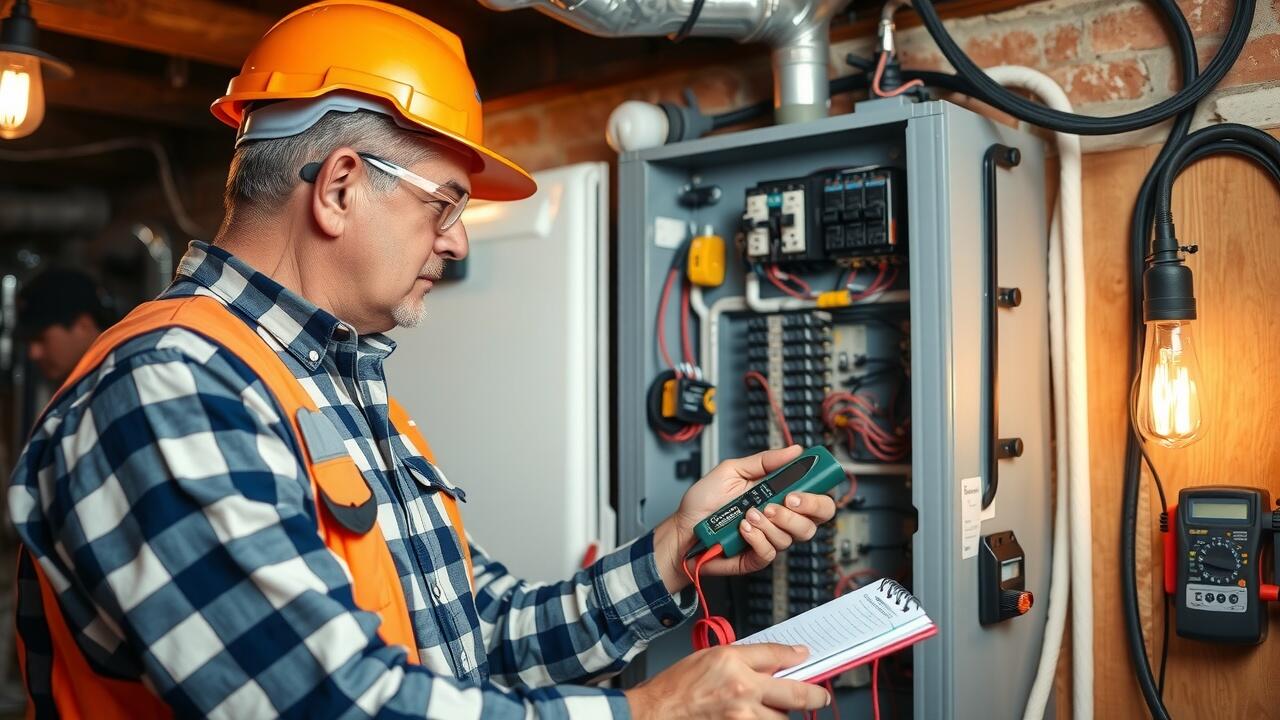
The step-by-step process of electrical inspection typically begins with a thorough assessment of the property’s electrical system. Inspectors closely examine panel boards, wiring, and circuitry. Tools such as multimeters and thermal cameras aid in identifying potential issues. For residents seeking Electrical Inspection in Conroe, Texas, understanding the local regulations and codes plays a critical role in the inspection process. Inspectors ensure that everything complies with state standards, addressing any deficiencies that could pose safety risks.
Once the initial inspection is complete, a detailed report is generated. This report outlines any findings, highlights areas needing repair, and offers recommendations for upgrades if necessary. The timeframe for inspections can vary depending on the complexity of the system. For homeowners in Conroe, Texas, it’s essential to maintain open communication with the inspector to clarify any concerns or questions about the findings. This transparency ensures that both parties understand the implications of the inspection results.
Residential vs. Commercial Electrical Inspections
Residential electrical inspections primarily focus on the wiring and electrical systems within homes. These inspections assess the safety and efficiency of electrical installations, identify potential hazards, and ensure compliance with local codes. Inspectors examine circuit breakers, outlets, wiring, and grounding systems, addressing concerns unique to residential settings, such as overloaded circuits and outdated equipment. Homeowners often seek these inspections before buying or selling a property or when renovating, ensuring a safe environment for families.
On the other hand, commercial electrical inspections differ significantly due to the scale and complexity of electrical systems in businesses. These inspections are vital for facilities with high energy demands or specialized equipment. Inspectors evaluate safety protocols, system capacity, and compliance with industrial regulations specific to business operations. Electrical Inspection in Conroe, Texas, involves thorough assessments of commercial buildings, looking for potential issues that could disrupt operations or jeopardize safety. Businesses often undergo regular inspections to maintain compliance and avoid liabilities related to electrical hazards.
Differences in Requirements and Procedures
Residential and commercial electrical inspections differ significantly in both their requirements and procedures. In a residential setting, inspectors typically focus on the safety and functionality of systems within individual homes. This includes checking for proper grounding, ensuring circuit breakers are up to code, and evaluating the condition of wiring and outlets. The goal is to ensure that the electrical system is safe for everyday use, adhering to local building codes and safety regulations.
In contrast, commercial electrical inspections often involve more complex systems with higher power demands. Inspectors must evaluate load calculations, examine three-phase systems, and verify compliance with larger-scale electrical codes. Electrical Inspection in Conroe, Texas, for commercial properties may necessitate more thorough documentation and adherence to state and federal regulations due to the greater potential risks. The procedures may also involve a more extensive review of electrical infrastructure, including backup systems and emergency exits, to ensure the safety of a larger number of occupants.
FAQS
Who is qualified to carry out electrical inspection and testing?
Qualified professionals, such as licensed electricians or electrical engineers, are typically authorized to perform electrical inspections and testing, ensuring compliance with local regulations and safety standards.
What regulatory bodies oversee electrical inspections?
Various regulatory bodies, such as the National Fire Protection Association (NFPA) and the Occupational Safety and Health Administration (OSHA), oversee electrical inspections, establishing safety standards and guidelines to protect public welfare.
Are there specific standards that inspectors must follow during electrical testing?
Yes, inspectors must adhere to standards set by national organizations, such as the National Electrical Code (NEC) and Underwriters Laboratories (UL), which dictate safe practices for electrical installations and inspections.
What are the common procedures involved in electrical testing?
Common procedures include visual inspections, continuity testing, insulation resistance testing, and voltage measurement, aimed at assessing the safety and functionality of electrical systems.
How do residential and commercial electrical inspections differ?
Residential inspections typically focus on individual home systems, while commercial inspections address larger, more complex systems. Consequently, commercial inspections may involve different requirements and procedures based on the scale and type of installation.